All Categories
Featured
Internet Marketing Solution Jurupa Valley
Top Social Media Marketing Company Jurupa Valley
Table of Contents
- – Instant Air Solutions
- – What Is the $5,000 Rule and 50% Rule for Furna...
- – How to Calculate Repair vs Replace Cost Using...
- – Real Example – $400 Repair on 15-Year-Old Fu...
- – Why This Rule Works in Mild Southern Califor...
- – Applying the 50% Rule – When Repairs Aren't W...
- – Common Repair Costs That Trigger Replacement
- – How Old Is Your Furnace? Lifespan and When Age...
- – Furnace Lifespan in Los Angeles, San Fernando...
- – Factors Shortening Life in Local Homes
- – Signs Age Is Causing Problems (Rising Bills, ...
- – Efficiency Drop in Older Units (AFUE Below 80%)
- – What Are the Top Signs Your Furnace Needs Repl...
- – Safety Red Flags – Carbon Monoxide Risks and ...
- – Why Immediate Replacement Is Critical
- – Performance Issues – Uneven Heating, Noises, ...
- – Energy Bill Spikes Explained
- – Frequent Repairs Signal Bigger Trouble
- – Furnace Repair Costs vs Replacement Costs in S...
- – Detailed Repair Cost Breakdown
- – Minor vs Major Repairs
- – Full Replacement Costs – What Drives the Price
- – Size, Efficiency (95%+ AFUE), and Local Labo...
- – Comparison Table: Instant Air Solutions vs Ty...
- – Is a Heat Pump a Better Alternative to Furnace...
- – Benefits of Heat Pumps in Los Angeles and Pas...
- – Efficiency Gains and Dual Functionality
- – When to Choose Heat Pump Over Traditional Fur...
- – California Rebates and Incentives for Furnace ...
- – Available Incentives for High-Efficiency Upgr...
- – ENERGY STAR and CEC Guidelines
- – How to Maximize Savings Locally
- – Real Homeowner Stories – Furnace Replacement C...
- – Frequently Asked Questions About Furnace Repai...
- – We Can Help! Contact Us Today
- – Instant Air Solutions
Furnace repair vs replacement represents one of the key choices SoCal property owners deal with when their heating unit begins failing. In areas like Los Angeles, the San Fernando Valley, Pasadena, and Orange County, where winters are mild but still demand reliable heat, a faulty furnace can quickly turn into a source of stress, discomfort, and unexpected expenses.
Homeowners often look up for phrases such as "should I repair or replace my furnace," "when to replace furnace instead of repair in California," or "furnace replacement cost Los Angeles," looking for trustworthy information to navigate this overwhelming process. This in-depth article delivers expert-level insights into every aspect of the decision, from established decision guidelines and key indicators to detailed cost breakdowns, important safety factors, efficiency enhancements, and local alternatives like heat pumps.
By diving deeply into these subjects, you'll obtain the insight needed to select the path that best protects your home's comfort, your loved ones' safety, and your long-term budget. Trusted technicians provide tailored evaluations customized for Southern California homes.
The determination of furnace repair and furnace replacement affects not just immediate warmth but also energy consumption, air purity inside the home, and overall home value. In our area, where heating units typically experience lighter seasonal demands than in colder states, furnaces can last longer, but declining efficiency over time and mechanical degradation still present major issues.
Industry standards from trusted authorities like the U.S. Department of Energy show that switching to modern efficient systems can cut heating expenses by 20 to 40 percent over time. This guide utilizes real-world HVAC expertise, regional climate factors, and homeowner experiences to help you make an informed choice that aligns with both feelings of safety and peace and logical goals for savings.
What Is the $5,000 Rule and 50% Rule for Furnace Repair vs Replacement?
Qualified HVAC pros frequently apply the $5,000 rule and 50% rule as foundational tools when guiding residents on furnace repair vs replacement. The $5,000 rule involves a simple calculation: multiply your current furnace age in years by the cost of the proposed repair. If the resulting number exceeds $5,000, replacement almost always makes more financial sense.
This method accounts for that mature equipment frequently encounters higher numbers of increasingly expensive malfunctions, making continued repairs a risky and potentially costly proposition.
The 50% rule takes a different but complementary approach by measuring the repair price against half of a brand-new efficient model. Should repairs go beyond 50% of replacement cost—particularly when the furnace has exceeded the 15-year mark—industry professionals usually suggest upgrading instead of continuing repairs.
These guidelines, refined over many years of field work, take feelings out of the process and focus on objective economics.
In Southern California's moderate regional climate, where furnaces experience less intense runtime than in northern states, these guidelines stay very applicable. Even though reduced seasonal demands might enable some units to reach 20 years or more, efficiency degradation and component fatigue still accumulate, keeping these guidelines essential for local decision-making.
Homeowners investigating "furnace repair or replacement cost" rapidly learn that these rules deliver simple clarity through otherwise overwhelming choices.
How to Calculate Repair vs Replace Cost Using the $5,000 Rule
Start with locating the exact age of your furnace—check the manufacturer's data plate, service history documents, or previous technician notes. Next, get a complete repair quotation from a qualified HVAC expert, making sure it includes every required component and labor charge. Complete the calculation and compare the result against the $5,000 threshold. When the figure goes over this amount, upgrading typically avoids ongoing problems and costs.
This easy approach applies universally across furnace brands and sizes.
Real Example – $400 Repair on 15-Year-Old Furnace
Consider a typical situation where a property owner in San Fernando Valley gets quoted $400 for a broken igniter on a 15-year-old furnace. The math yields $400 multiplied by 15, equaling $6,000—significantly exceeding the cutoff. This example illustrates how even relatively modest repairs on mid-life or older equipment usually mark the beginning of a trend of escalating issues and expenses.
Why This Rule Works in Mild Southern California Climates
Mild regional temperatures decreases harsh thermal stress, allowing many furnaces to operate longer than in colder climates. Still, factors like dust infiltration, coastal salt air corrosion, and periodic heat spikes continue to wear down parts gradually. The formula incorporates these regional factors and enables residents to steer clear of putting money into temporary patches for systems approaching end-of-life.
Applying the 50% Rule – When Repairs Aren't Worth It
Today's pricing for expertly installed efficient furnaces in our area usually range from $6,000 and $9,000, depending on capacity and features. Half the typical cost creates the important cutoff of $3,000 to $4,500. If a repair estimate nears or surpasses this point, especially on a furnace older than 15 years, the economics strongly favor replacement over continued patching.
Common Repair Costs That Trigger Replacement
Blower motor replacements typically cost between $800 and $2,000, while fixing a damaged heat exchanger typically falls between $1,000 to $3,500 or more. frequent major repairs frequently exceed the 50% threshold and carry additional safety implications, making full system replacement the more prudent choice.
The pair of rules act as strong decision tools that eliminate uncertainty. When your numbers point toward upgrading, getting advice from skilled regional experts can confirm the recommendation and provide next steps.
How Old Is Your Furnace? Lifespan and When Age Forces Replacement
Furnace lifespan in Southern California usually falls between 15 to 22 years, thanks to our relatively mild winters and lower annual operating hours compared to colder parts of the country. Gas-fired units are still the most widely used in our region, but regardless of fuel, efficiency and reliability.
A frequent question homeowners ask is "how old is too old for furnace repair?" Industry consensus suggests initiating thorough review around the 15-year mark, with replacement strongly advised at 18 years or older when paired with any significant operational problems.
Older furnaces suffer from reduced AFUE efficiency ratings , meaning less of the fuel turns into actual heat and require longer runtimes to achieve desired comfort levels.
Furnace Lifespan in Los Angeles, San Fernando Valley, and Orange County
Local temperate conditions lower severe temperature swings, helping prolong equipment life compared to regions with harsh winters. Plenty of well-maintained furnaces in Los Angeles, San Fernando Valley & Orange County frequently survive beyond 18 years, though environmental factors can affect lifespan.
Factors Shortening Life in Local Homes
Inland dust and pollen buildup can restrict airflow and overburdens blowers and exchangers. Humidity from coastal zones promotes rust , and irregular seasonal operation leads to component seizure. Neglected or inconsistent care hastens these problems.
Signs Age Is Causing Problems (Rising Bills, Frequent Breakdowns)
Utility bills rising 20–30 percent without changes in usage patterns often signal declining efficiency. More frequent service visits, particularly several major repairs in one year acts as an additional strong indicator that age-related deterioration has begun to affect performance.
Efficiency Drop in Older Units (AFUE Below 80%)
Modern high-efficiency furnaces achieve ratings of 95 percent or higher, resulting in far greater fuel-to-heat conversion - Hvac Companies Beverly Hills. Upgrading from an older, low-efficiency unit to a contemporary model can generate significant ongoing savings on utility expenses while improving overall home comfort
Even though age alone doesn't force replacement, it provides a critical context when evaluated alongside performance data, service history, and safety factors. Qualified review allows property owners to decide using information rather than worry.
What Are the Top Signs Your Furnace Needs Replacement Not Just Repair?
Understanding the primary "signs your furnace needs replacement" prevents urgent breakdowns, protect indoor air quality, and avoid escalating repair expenses. Key warning signs typically divide into three groups: safety concerns, functionality concerns, and cost escalation.
The gravest indicator is carbon monoxide risk from damaged heat exchangers. Additional signals point to reduced capacity for even, comfortable heating.
Safety Red Flags – Carbon Monoxide Risks and Cracked Heat Exchanger
Yellow burner flames instead of blue , excessive soot around furnace vents or registers, persistent headaches or flu-like feelings when heat is on, or CO detector alarms all indicate potential danger. A cracked heat exchanger allows combustion byproducts to enter living spaces and cannot be fixed safely.
Why Immediate Replacement Is Critical
Carbon monoxide is undetectable by human senses and life-threatening. Any indication of leakage demands instant shutdown and expert evaluation. Continuing to operate a compromised unit risks serious health consequences for your family.
Performance Issues – Uneven Heating, Noises, Smells
Unusual banging, rattling, or grinding during cycles indicate mechanical issues in the burner assembly, blower, or heat exchanger. Persistent burning odors, excessive dust circulation, or rooms that stay noticeably colder than others signal distribution issues that grow harder and costlier to fix with repairs.
Energy Bill Spikes Explained
Sharp or progressive increases in utility costs without changes in usage habits nearly always show efficiency loss. The furnace compensates for lower performance by running longer and harder, using more energy for the same comfort level.
Frequent Repairs Signal Bigger Trouble
When a furnace requires multiple significant repairs within a 12-month period, this trend strongly indicates widespread system deterioration that will continue to produce new failures. Continuing to invest in repairs becomes increasingly inefficient compared to upgrading to a new, warrantied system.
Paying attention to these warning signs enables residents to act preventively. Qualified diagnostics swiftly reveal the better choice between repair and replacement.
Furnace Repair Costs vs Replacement Costs in Southern California
Furnace repair costs generally fall between $200 to $1,500 for typical component repairs, while extensive repairs involving critical parts may go from $1,000 to $3,500 or more. On the other hand, furnace replacement costs across Southern California generally fall between $4,500 and $10,000 for a thorough professional install, depending on the system's capacity, efficiency rating, brand, and specific installation requirements.
Knowing these price ranges helps homeowners set realistic expectations and prepare financially.
Detailed Repair Cost Breakdown
Typical repairs encompass igniter fixes ranging $300–$500, thermostat replacements $200–$600, and blower motor replacement $800–$2,000 depending on location and system complexity.
Minor vs Major Repairs
Minor repairs on relatively new systems frequently deliver worthwhile temporary relief and extend service life cost-effectively. Significant part replacements on mature units seldom make financial sense when future reliability and efficiency are factored in.
Full Replacement Costs – What Drives the Price
Entry-level furnaces begin at $2,000–$3,500, while top-tier high-efficiency units go $4,000–$6,000+. Installation costs including removal, duct adjustments, permits, and compliance usually contribute $2,000–$4,000 to the overall project.
Size, Efficiency (95%+ AFUE), and Local Labor Factors
Proper sizing requires calculating home heating load using square footage, insulation levels, window performance, and regional climate information. Higher AFUE percentages raise initial investment but provide significant monthly cost reductions by decreasing energy consumption.
Comparison Table: Instant Air Solutions vs Typical Competitor
| Factor | Instant Air Solutions | Typical Competitor |
|---|---|---|
| Response Time | Within 2–4 hours (24/7 emergency) | Next day or longer |
| Cost Transparency | Upfront detailed quotes | Frequent add-on surprises |
| Guarantee | Satisfaction Guarantee + extended parts/labor | Limited or parts-only |
| Technician Certification | NATE-certified specialists | Varies widely |
| Customer Satisfaction | Consistent 5-star feedback | Mixed reviews |
Replacement investments often pay back via energy savings, lower maintenance requirements, and better overall comfort. Obtaining multiple detailed quotes assures optimal pricing for your particular home.
Is a Heat Pump a Better Alternative to Furnace Replacement in Mild SoCal?
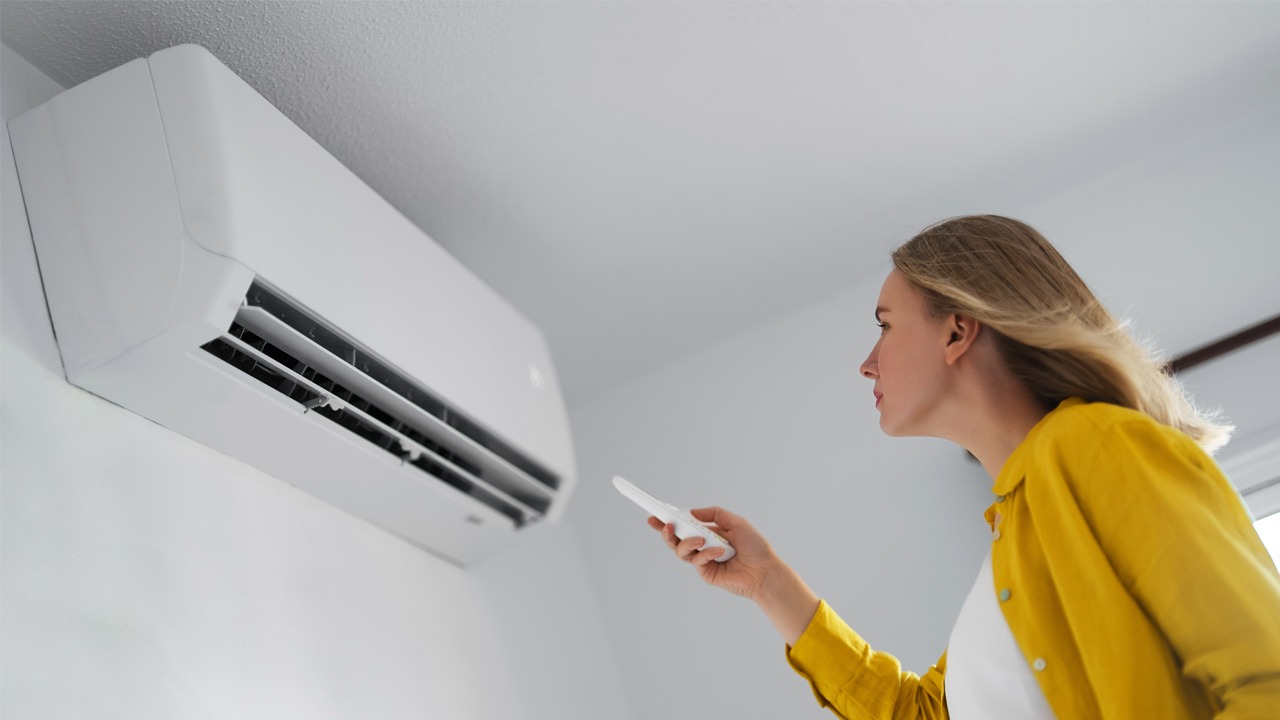
Southern California's moderate conditions positions heat pumps very favorably compared to traditional furnaces. Heat pumps move heat rather than generate it through combustion, delivering heating and cooling from one efficient unit.
Lots of homeowners here learn that heat pumps provide excellent year-round comfort while greatly lowering energy use compared to traditional gas furnaces. The technology excels in moderate temperatures, making it an increasingly popular choice for SoCal homes.
Benefits of Heat Pumps in Los Angeles and Pasadena
Modern heat pumps achieve exceptional efficiency ratings, often using up to 75 percent less electricity than traditional resistance heating while maintaining even temperatures in every room.
Efficiency Gains and Dual Functionality
Units with high SEER/HSPF performance offer robust cooling during hot months and solid heating in cooler periods, eliminating the need for separate systems and lowering total energy expenses.
When to Choose Heat Pump Over Traditional Furnace
Residences with installed ducts, households wanting all-season temperature management, or residents aiming to decrease environmental impact find heat pumps particularly advantageous.
This system fits perfectly with California's efforts to promote electrification and sustainability objectives.
California Rebates and Incentives for Furnace Replacement
California offers various programs to support energy-efficient heating upgrades, with rebates from local utility companies, ENERGY STAR performance incentives, and state initiatives focused on energy conservation.
Although certain federal incentives may be restricted, utility company incentives stay in effect for eligible systems.
Available Incentives for High-Efficiency Upgrades
Numerous SoCal utility companies give rebate payments for putting in systems meeting required efficiency standards.
ENERGY STAR and CEC Guidelines
(Hvac Companies Beverly Hills)Systems bearing the ENERGY STAR mark or meeting California Energy Commission requirements generally receive the largest available rebates through local programs. (Hvac Companies Beverly Hills)
How to Maximize Savings Locally
Pairing incentives with manufacturer offers with available financing programs allows homeowners to achieve the lowest possible out-of-pocket expense while securing long-term energy savings.
Investigating current programs prior to purchase can significantly improve project economics. Hvac Companies Beverly Hills.
Real Homeowner Stories – Furnace Replacement Case Studies in Southern California
True homeowner accounts give practical context on the consequences of these important decisions. A homeowner in the San Fernando Valley with an aging 19-year furnace had experienced increasingly frequent breakdowns and continuously increasing heating costs. Following expert assessment and complete replacement with a high-efficiency model, they shared: "Our home now keeps consistent temperatures everywhere, and our monthly utilities fell considerably. The project was handled professionally and efficiently from start to finish."
Another homeowner in Pasadena faced serious safety concerns when technicians identified a cracked heat exchanger in a scheduled check. After upgrading to a contemporary unit, they noted: "The peace of mind knowing we eliminated the carbon monoxide risk is priceless. The new unit runs quieter and maintains comfort without frequent changes."
A third homeowner in Orange County selected a heat pump upgrade over their aging gas furnace. They noted: "We were surprised by how well the heat pump handles our milder winters while also offering superior cooling during hot months. Our utility costs have never been lower, and the house maintains more even temperatures all year."
These authentic stories illustrate both emotional reassurance and logical cost savings that arise from informed replacement decisions.
Frequently Asked Questions About Furnace Repair vs Replacement
Should I repair or replace my furnace?
Repair works best for systems less than 12 years old with limited isolated faults. Replacement is usually preferable for aging systems or when major components fail. Apply the $5,000 rule and 50% rule for clear direction. In Southern California, efficiency improvements from upgrades frequently make replacement worthwhile sooner. Learn more about ongoing care with our HVAC maintenance plans. (118 words)
What is the $5,000 rule for furnace replacement?
Simply multiply furnace age by repair cost. Should the number surpass $5,000, replacement is usually the better choice due to projected additional repair needs. For instance, a 16-year furnace with a $400 fix totals $6,400, signaling upgrade. See our HVAC installation services for more. (104 words)
Furnace replacement cost Los Angeles?
Expect complete installations to range from $4,500 to $10,000, depending on size, efficiency rating, and local requirements. Big houses or premium efficient units raise overall pricing. Explore residential HVAC at residential HVAC services. (96 words)
Signs your furnace needs replacement?
Note age beyond 15 years, frequent repairs, inconsistent heating, unusual noises, burning odors, or carbon monoxide risks. Multiple signs together usually mean replacement is needed. Learn about our repair services at contact us. (108 words)
When to replace furnace instead of repair in California?
Opt for replacement when safety issues appear, efficiency declines substantially, or evaluation rules indicate poor long-term value. Temperate California weather usually supports earlier upgrades for long-term energy efficiency. Visit our homepage at home page for more. (102 words)
Furnace lifespan Southern California?
Expect 15 to 22 years with proper maintenance, because of lower seasonal operation. Regular service extends this range significantly. Learn more through our maintenance plans at maintenance plans. (94 words)
Heat pump vs furnace Southern California?
Heat pumps provide effective heating and cooling in our moderate climate, often outperforming traditional gas furnaces in versatility and long-term costs. Discover our heat pump installation options at heat pump installation. (98 words)
Furnace repair or replacement cost?
Typical repair costs span from $200 to $3,500; replacement costs $4,500 to $10,000. Replacement often proves more cost-effective over time. See contact details at contact page for a consultation. (92 words)
Best time to replace furnace in Southern California?
Spring and summer offer better availability and pricing. Avoid winter emergencies. Arrange online easily at online scheduling. (88 words)
Carbon monoxide furnace safety?
Cracked exchangers allow lethal carbon monoxide leaks. Regular annual inspections are necessary; replace affected units right away. See safety details on our about section about us. (94 words)
We Can Help! Contact Us Today
The stress of undependable warmth during milder winter evenings, irritation over rising energy costs, and worry over safety dangers are perfectly normal feelings for homeowners. Yet making the right choice—whether specific repair work or complete system upgrade—provides true reassurance through consistent performance, meaningful cost reductions, and restored assurance in your home's heating system.
New-generation high-efficiency units cuts energy use by 20 to 40 percent, removes repeated service needs, and maintains comfortable temperatures throughout your home, delivering solid logical benefits alongside genuine emotional peace.
Instant Air Solutions has supported many residents throughout LA County—including Long Beach, Santa Clarita, Glendale, Torrance, Burbank, and many more areas—secure consistent, cost-effective heating designed for our regional climate. Our highly trained team provide honest evaluations, accurate installations, and work guaranteed for your satisfaction.
412 W Dryden St APT 6, Glendale, CA 91202
(747) 307-6363
Arrange your complimentary assessment today. Dependable, energy-saving heating and real peace of mind stand within easy reach—take action today toward a comfortable, trustworthy home.
Instant Air Solutions
Address: 412 W Dryden St Apt 6 Glendale, CA 91202Phone: (747) 307-6363
Email: [email protected]
Instant Air Solutions
Ductless Air Conditioner Beverly Hills, CA
Central Air Conditioning Systems Beverly Hills, CA
Heat Pump Installation Beverly Hills, CA
Air Conditioning Installation Beverly Hills, CA
Hvac Companies Beverly Hills, CA
Ductless Mini-Split Repair Beverly Hills, CA
Commercial Exhaust System Installation Beverly Hills, CA
Ductless Air Conditioner Beverly Hills, CA
Ac Installation Beverly Hills, CA
Central Air Installation Beverly Hills, CA
Home Ac Repair Beverly Hills, CA
Ductless Air Conditioner Installation Beverly Hills, CA
Heating And Air Conditioning Repair Beverly Hills, CA
Furnace Maintenance Service Beverly Hills, CA
Ac Repairs Beverly Hills, CA
Air Condition Repair Beverly Hills, CA
Commercial Hvac Solutions Beverly Hills, CA
Furnace Installation Cost Beverly Hills, CA
Ductless Heating And Cooling Beverly Hills, CA
Best Hvac Company Beverly Hills, CA
Ductless Air Conditioner Beverly Hills, CA
Air Conditioner Repairs Beverly Hills, CA
Heating And Air Conditioning Repair Beverly Hills, CA
Hvac Companies Beverly Hills, CA
Ductless Air Conditioner Beverly Hills, CA
Furnace Maintenance Service Beverly Hills, CA
Best Hvac Company Beverly Hills, CA
Ductless Air Conditioner Installation Beverly Hills, CA
Furnace Maintenance Service Beverly Hills, CA
Commercial Hvac Solutions Beverly Hills, CA
Ductless Air Conditioner Beverly Hills, CA
Central Air Conditioning Systems Beverly Hills, CA
Ductless Heating And Cooling Beverly Hills, CA
Find A Good Seo Management Beverly Hills, CA
Find A Seo Optimization Services Beverly Hills, CA
Instant Air Solutions
Air Conditioner Repairs Beverly Hills, CA
Furnace Repair Service Beverly Hills, CA

Table of Contents
- – Instant Air Solutions
- – What Is the $5,000 Rule and 50% Rule for Furna...
- – How to Calculate Repair vs Replace Cost Using...
- – Real Example – $400 Repair on 15-Year-Old Fu...
- – Why This Rule Works in Mild Southern Califor...
- – Applying the 50% Rule – When Repairs Aren't W...
- – Common Repair Costs That Trigger Replacement
- – How Old Is Your Furnace? Lifespan and When Age...
- – Furnace Lifespan in Los Angeles, San Fernando...
- – Factors Shortening Life in Local Homes
- – Signs Age Is Causing Problems (Rising Bills, ...
- – Efficiency Drop in Older Units (AFUE Below 80%)
- – What Are the Top Signs Your Furnace Needs Repl...
- – Safety Red Flags – Carbon Monoxide Risks and ...
- – Why Immediate Replacement Is Critical
- – Performance Issues – Uneven Heating, Noises, ...
- – Energy Bill Spikes Explained
- – Frequent Repairs Signal Bigger Trouble
- – Furnace Repair Costs vs Replacement Costs in S...
- – Detailed Repair Cost Breakdown
- – Minor vs Major Repairs
- – Full Replacement Costs – What Drives the Price
- – Size, Efficiency (95%+ AFUE), and Local Labo...
- – Comparison Table: Instant Air Solutions vs Ty...
- – Is a Heat Pump a Better Alternative to Furnace...
- – Benefits of Heat Pumps in Los Angeles and Pas...
- – Efficiency Gains and Dual Functionality
- – When to Choose Heat Pump Over Traditional Fur...
- – California Rebates and Incentives for Furnace ...
- – Available Incentives for High-Efficiency Upgr...
- – ENERGY STAR and CEC Guidelines
- – How to Maximize Savings Locally
- – Real Homeowner Stories – Furnace Replacement C...
- – Frequently Asked Questions About Furnace Repai...
- – We Can Help! Contact Us Today
- – Instant Air Solutions
Latest Posts

Top Local Seo Company Corona

Legal Internet Marketing Walnut

Internet Marketing Solution Jurupa Valley
More
Latest Posts
Top Local Seo Company Corona
Legal Internet Marketing Walnut
Internet Marketing Solution Jurupa Valley