All Categories
Featured
Table of Contents
- – United Constructors Inc.
- – Understanding the Importance of Coordinating P...
- – The Ideal Sequence for Plumbing and Electrical...
- – Navigating Permits and Building Codes for Kitc...
- – Typical Costs and Budget Considerations for Pl...
- – Real-World Examples and Lessons from Contra Co...
- – Best Practices for Choosing and Working with P...
- – Common Concerns About Kitchen Remodel Plumbing...
- – Areas We Serve Throughout Contra Costa County ...
- – Frequently Asked Questions About Kitchen Remod...
- – We Can Help! Contact Us Today
- – United Constructors Inc.
Kitchen remodel plumbing electrical coordination forms the backbone of any successful renovation project, ensuring trades integrate smoothly for safety, functionality, and efficiency. This key procedure involves detailed planning of plumbing rough-in, electrical rough-in, dedicated circuits, GFCI outlets, permits, and code compliance to eliminate the most typical project frustrations—delays, budget overruns, safety risks, and failed inspections. Homeowners commonly realize after the fact that poorly synced plumbers and electricians lead to pipes obstructing planned wiring or outlets placed too close to water sources without required safety measures. Expert trade coordination resolves these issues by following a logical order—usually plumbing preceding electrical for gravity flow, and then electrical modifications, all while adhering to local Contra Costa County requirements. The end product produces a functional area that improves everyday living, increases property value, and offers complete confidence. This comprehensive guide examines order of work, budgets, approvals, optimal strategies, real-world cases, and resolutions for typical issues, helping you navigate kitchen remodel plumbing electrical confidently.
A large number of homeowners initiate their kitchen projects full of anticipation regarding innovative layouts, updated appliances, and spacious open concepts, but soon face the demanding reality of overseeing several expert tradespeople. In the absence of organized collaboration, deadlines slip, costs escalate, and frustration builds. Expert oversight turns the endeavor into a predictable, stress-reduced experience that preserves emphasis on your goals instead of administrative issues. For inspiration and planning ideas, explore our kitchen and bathroom remodeling services.
Understanding the Importance of Coordinating Plumbing and Electrical in Kitchen Remodels
Coordinating plumbing and electrical during a kitchen remodel prevents the major disruptions that commonly derail numerous renovations. Plumbing efforts involve setting up water lines, waste pipes, vents, and kitchen fixtures like kitchen sinks, dishwashers, waste disposers, and water purifiers. Each element requires accurate placement to ensure proper flow, venting, and accessibility. Electrical work covers laying electrical wiring, locating outlets, mounting lights, and providing dedicated circuits to support high-draw appliances such as refrigerators, stoves, microwaves, and ovens. When the trades function without coordination, conflicts arise—pipes can block planned electrical pathways, or outlets end up too close to sinks without necessary GFCI safeguards, leading to safety risks and code non-compliance.
Research and project statistics regularly indicate that lack of coordination causes costly rework that can increase overall expenses in the range of 20 to 40%. Trades waiting for each other while waiting for completion, or forced to redo completed tasks, add significant time and money. Safety risks compound the problem—water leaks close to energized wiring and insufficient GFCI protection near sinks increase the chance of electrical shocks or water damage. In the rough-in phase, while walls and floors remain exposed, proper alignment permits best placement and future-proofing, including additional circuits for future smart technology or adjusting lighting for specific cabinet configurations. For additional insights into electrical safety standards, refer to resources from the National Fire Protection Association.
Additional benefits include better performance and design quality. Strategically located under-cabinet lights, conveniently placed receptacles for countertop devices, and balanced electrical loads prevent circuit overloads and interruptions. This integration also enables current kitchen trends including open floor plans, integrated island systems, and efficient upgrades. Homeowners experience significant emotional relief as work moves forward smoothly, reducing the stress of living in a construction zone. Reasonably, this approach delivers strong returns through lower long-term costs, higher home resale value, and systems that meet or exceed current building codes. For inspiration and planning ideas, explore our kitchen and bathroom remodeling services.
Get in touch for a free initial consultation to see how coordinated kitchen remodel plumbing electrical can transform your space.
The Ideal Sequence for Plumbing and Electrical Work in a Kitchen Remodel
The ideal sequence for kitchen remodel plumbing electrical proceeds in a practical progression that maximizes efficiency, minimizes conflicts, and maintains full code compliance from beginning to end. The process begins with demolition, eliminating outdated cabinets, surfaces, flooring, and partitions to expose the structural framework for precise measurements. After the area is opened, plumbing rough-in comes first: installing fresh supply piping, drainage, and venting, focusing on gravity-based drainage for sinks and disposals. Island sink plumbing requires careful floor layout to eliminate conflicts with structural components.
After plumbing rough-in, electrical rough-in comes next. Electrical professionals place outlet boxes, install wiring for lights, switches, and dedicated circuits, and ready under-cabinet lighting, pendant fixtures, and appliance connections. Performing electrical work after plumbing allows wiring to avoid pipes and vents, lowering the possibility of damage and rework. GFCI protection is applied in necessary positions, particularly countertops and zones near water sources, while AFCI breakers protect bedroom and living area circuits that may extend into the kitchen. This sequence enables tidy wiring and best positioning of receptacles for usability and protection.
Inspections follow rough-in completion to confirm adherence prior to drywall covering the work. Completion phases recall trades for final connections, trim work, fixture attachment, and system verification. Plumbing comes before electrical mainly due to gravity-dependent drainage and exact placement needs—adjustments are simpler before wiring is locked in. Electrical work then conforms to plumbing configuration, providing best outlet locations and lighting arrangement. This established order answers frequent inquiries such as "what order should plumbing and electrical go in a kitchen remodel" and "should plumbing or electrical go first in a kitchen remodel". For related electrical services, see our electrical and plumbing coordination page.
Get in touch for tailored sequencing advice designed for your particular kitchen project. Plumber Contractors Near Me Danville.
Navigating Permits and Building Codes for Kitchen Remodel Plumbing Electrical in Contra Costa County
Permitting and building regulations remain essential aspects of kitchen remodel plumbing electrical in Contra Costa County. Any modifications including structural alterations, plumbing adjustments, or electrical installations demands clearance from the County Building Inspection Division. Applications are submitted through the ePermits system, with fees calculated based on project valuation. Rough-in and final inspections ensure conformity to safety and efficiency regulations, avoiding penalties or resale difficulties. For official details, refer to Contra Costa County permit guidelines.
Plumbing codes mandate proper venting for drains, accessible shut-off valves, anti-scald devices on faucets, and water-efficient fixtures to satisfy water conservation rules. Electrical codes stipulate GFCI coverage for counter outlets and sink areas, tamper-resistant outlets, two 20-amp countertop circuits, and dedicated lines for major appliances. Electrical panel upgrades become essential when current capacity falls short of modern demands. Local amendments to California codes emphasize energy efficiency, seismic considerations, and hazard reduction in high-risk areas.
Skilled oversight of approvals and inspections prevents hold-ups from missing documents or inspection failures. Knowledgeable crews develop thorough plans, arrange inspections appropriately, and resolve issues promptly. Such expertise eliminates the anxiety of regulatory navigation and maintains project momentum. More details about our compliance approach are available on our why choose us page. why choose us page.
Contact us to handle all permits and code requirements for your Contra Costa kitchen remodel.
Typical Costs and Budget Considerations for Plumbing and Electrical Upgrades
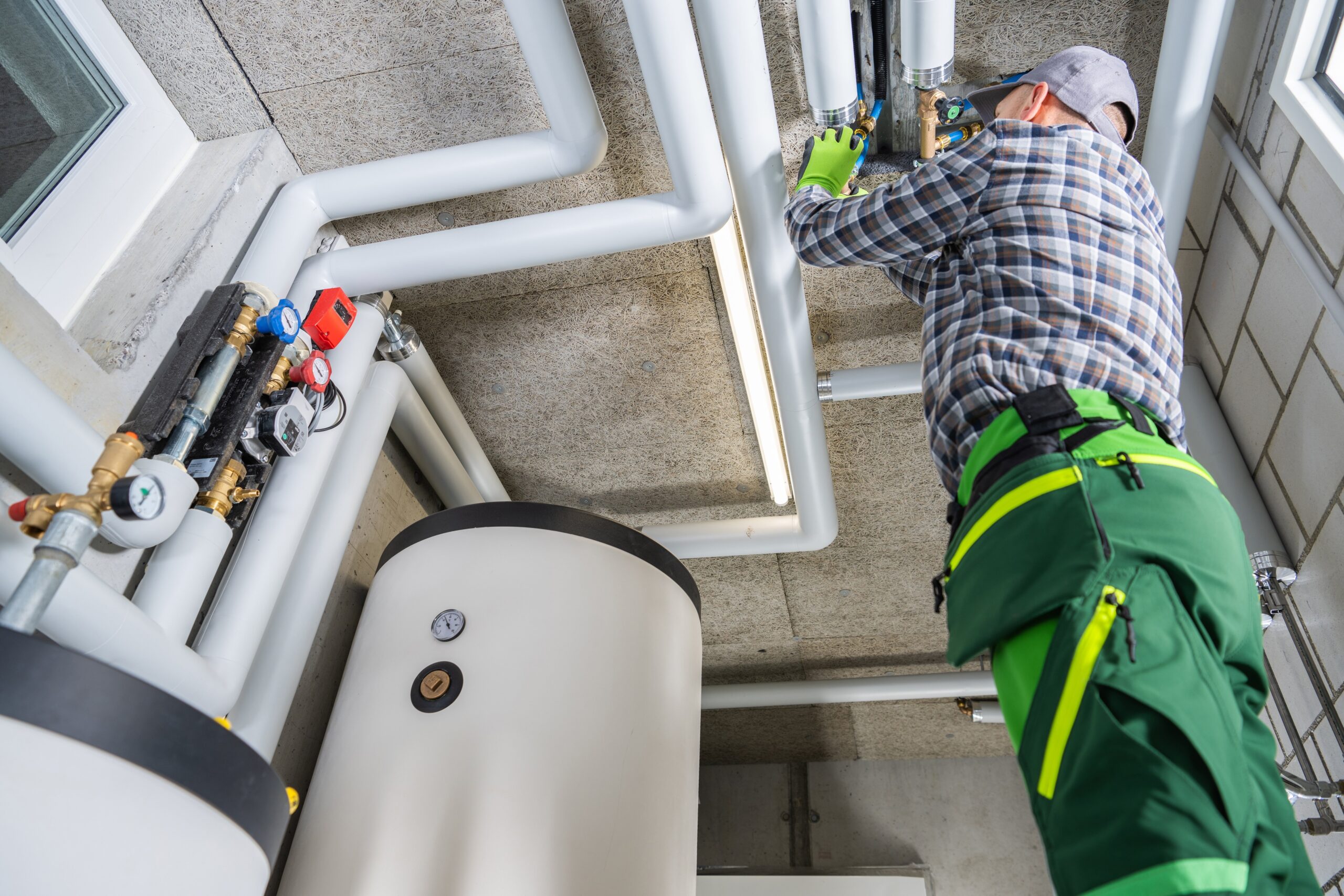
Knowing the expenses involved in kitchen remodel plumbing electrical helps homeowners plan realistically and avoid surprises. Basic updates—replacing outlets, fixtures, and making minor adjustments—generally range from $5,000 to $12,000. Intermediate efforts including line moves, extra circuits, GFCI setups, and panel upgrades usually total $12,000–$25,000. Complete coordination covering complete rough-ins, permitting, major appliance circuits, and significant relocations frequently reaches $20,000–$45,000, typically accounting for 10–20% of the overall kitchen investment.
Several factors influence final pricing together with material costs and relocation difficulty. Lack of coordination often results in costly rework adding thousands—misaligned trades lead to repeated openings, additional labor hours, and wasted materials. Transparency in budgeting from the outset builds confidence and prevents unexpected financial strain. Comprehensive cost breakdowns enable prioritization of critical upgrades while remaining budget-conscious. For accurate estimates and customized quotes, explore our kitchen and bath quote request page.
This systematic process supports smart planning. Get a no-obligation quote customized to your project scope and priorities.
Real-World Examples and Lessons from Contra Costa Kitchen Remodels
Real-life examples illustrate how proper kitchen remodel plumbing electrical coordination achieves superior results. In Danville, a homeowner wanted to relocate the sink to create a central island. Careful integration guaranteed plumbing and electrical systems matched seamlessly, preventing delays and securing immediate inspection success. The kitchen gained improved workflow and modern functionality without unexpected costs.
In Walnut Creek, an older residence needed replacement of outdated wiring and galvanized plumbing. Aligned trades accomplished rough-in stages effectively, resulting in a safe, compliant space with enhanced lighting, outlets, and appliance performance. The client noted a streamlined project and better-than-expected satisfaction.
More testimonials confirm these successes: "The whole kitchen remodel plumbing electrical effort went smoothly—no unexpected issues, no added costs." – Orinda homeowner. "Permits and inspections were handled perfectly; the team made everything stress-free." – San Ramon resident. "We adore our updated design; coordination maintained schedule and budget." – Pleasant Hill homeowner.
These examples highlight the value of experienced collaboration. We can produce equivalent outcomes for your remodel. View additional client comments on our reviews page. reviews page.
Best Practices for Choosing and Working with Plumbing and Electrical Contractors
Selecting appropriate trades begins by confirming licensing, insurance coverage, and familiarity with regional regulations. Ask about past kitchen projects, familiarity with kitchen remodel plumbing electrical sequencing, and references from recent clients. Effective communication proves vital—trustworthy contractors deliver straightforward timelines, consistent updates, and fast responses.
A single project coordinator manages scheduling, resolves conflicts, and ensures trades align without homeowner intervention. Carefully vetted trade networks ensure high-quality work and responsibility. Follow-up after project completion handles modifications or questions immediately.

Safety, compliance, and attention to detail remain top priorities for long-term satisfaction. To learn more about our process, check our about us page. about us page.
Contact us for trusted recommendations and coordination expertise suited to your renovation.
Common Concerns About Kitchen Remodel Plumbing Electrical And How We Solve Them
Project delays from trade scheduling conflicts top many homeowner concerns. Thorough planning and centralized management maintain alignment and keep schedules intact. Hidden costs from unforeseen issues cause anxiety. Detailed initial evaluations and open pricing avoid surprises and maintain budget control.
Safety concerns and compliance worries arise from incorrect installations. Professional oversight enforces codes, ensuring GFCI protection and secure circuits. These issues are common yet fully addressable through skilled handling. Reach out to discuss your specific worries and receive tailored solutions.
Areas We Serve Throughout Contra Costa County California
Our coverage includes all of Contra Costa County plus adjacent locations: Alamo, Walnut Creek, Lafayette, Danville, Moraga, Orinda, Pleasant Hill, San Ramon, Hercules, El Cerrito, Pinole, Albany, Berkeley, San Pablo, Concord, Pittsburg, Martinez, Diablo, Clayton, Port Costa, Benicia, Antioch, Canyon, Crockett, Rodeo, Oakland, El Sobrante, Suisun City, Vallejo, Birds Landing, Richmond, Brentwood, Oakley, and Alameda County, Solano County, San Francisco, San Leandro, Livermore, Pleasanton, Alameda, Union City, Hayward, Dublin, Castro Valley, Bay Point, Meadowhomes, Four Corners, Concord Valley, North Concord, San Francisco County, Marin County. Convenient proximity to major thoroughfares provides prompt service across the area.
Regional expertise handles location-specific issues like vintage home wiring, earthquake requirements, and local code variations. Get in touch for localized expertise customized to your community. Learn about our work in particular areas on our Walnut Creek kitchen remodeling page. Walnut Creek kitchen remodeling page.
Frequently Asked Questions About Kitchen Remodel Plumbing Electrical Coordination
What order should plumbing and electrical go in a kitchen remodel?
Plumbing rough-in typically precedes to handle drainage slope and fixture placement requirements. Electrical work then adapts around plumbing for optimal routing. This progression in kitchen remodel plumbing electrical eliminates conflicts, facilitates inspections, and lowers rework expenses. Proactive planning secures integration for an efficient, usable result. Discover more about our methods on the kitchen and bathroom remodeling page. kitchen and bathroom remodeling page.
How much does plumbing electrical cost in a kitchen remodel?
Expenses generally range $5,000–$12,000 for basic modifications and $20,000–$45,000 for comprehensive coordination with approvals and major upgrades. Factors include labor, materials, and scope. Proper coordination minimizes overruns by preventing delays and fixes. Get a customized estimate from our kitchen quote page. kitchen quote page.
Do I need permits for kitchen remodel plumbing electrical?
Yes, permits are required for relocations, new circuits, or major changes in Contra Costa County (Plumber Contractors Near Me Danville). The local Building Inspection Division processes applications and performs inspections to ensure safety and code adherence. Expert handling prevents hold-ups. See our compliance approach on why choose us. why choose us
What GFCI outlets are required in a kitchen remodel?
Every countertop receptacle and those near sinks must have GFCI protection. Child-resistant tamper-proof models enhance safety for families. Codes mandate this coverage near water sources to prevent shocks. Learn about supporting services on our electrical and plumbing page. electrical and plumbing page.
Should plumbing or electrical go first in a kitchen remodel?
Plumbing usually leads electrical to accommodate drainage needs and fixture layout. Electrical then adjusts for best wiring paths. This sequence enhances efficiency in kitchen remodel plumbing electrical. For additional information, see our about us page. about us page.
How to coordinate plumbing electrical kitchen renovation?
A general contractor manages scheduling, vetting, and conflict resolution. Centralized oversight aligns trades and maintains project momentum. This approach minimizes homeowner involvement and delivers superior outcomes. Explore our coordination approach on client reviews. client reviews.
What appliances need dedicated circuits in a kitchen?
Refrigerators, ranges, dishwashers, microwaves, and disposals require dedicated circuits to eliminate overload risks and guarantee consistent function. Correct circuit design provides dependable performance. Discover appliance integration details on custom work page. custom work page.
How long does plumbing electrical phase take in kitchen remodel?
Rough-in work typically spans 1–3 weeks based on project scope. Proper alignment maintains efficient schedules. To learn about project durations, visit our FAQ page. our FAQ page.
Can I DIY plumbing electrical kitchen remodel?
DIY projects commonly cause regulatory violations, dangers, and high-cost corrections. Professional expertise ensures compliant, efficient results with proper expertise and tools. Explore professional services on our contact page. our contact page.
What common plumbing electrical issues arise in kitchen remodel?
Typical challenges involve outdated electrical, undetected leaks, code-violating outlets, and improper line placement. Early detection and coordination prevent escalation. Further resolution details on emergency plumbing services. emergency plumbing services.
We Can Help! Contact Us Today

Boasting more than 30 years of providing regulation-compliant, streamlined kitchen remodel plumbing electrical coordination throughout Contra Costa County, satisfaction is ensured with clear procedures and skilled supervision. Homeowners feel relief from coordination stress, trust in professional handling, excitement for their updated space, confidence in safety and value, and pride in a functional home—logically justified by cost savings, higher ROI, time efficiency, quality longevity, and no rework. 1251 Stone Valley Rd, Alamo, CA 94507—contact us now at (925) 234-9023 for a complimentary consultation to experience repeatable, profitable results in your kitchen transformation. Whether you need a complete renovation or specific improvements, professional coordination makes the difference. Go to our contact page to begin, or learn more through our FAQ. contact page. Your ideal kitchen is ready—let's create it without typical challenges.
United Constructors Inc.
Address: 1251 Stone Valley Rd Alamo, CA 94507Phone: (925) 234-9023
Email: [email protected]
United Constructors Inc.
Plumbing Contractors In My Area Danville, CA
Plumbing Contractors In My Area Danville, CA
Contractor Plumbing Danville, CA
Plumber Contractors Near Me Danville, CA
Bathroom Plumbing Contractors Danville, CA
Plumbing And Heating Contractors Near Me Danville, CA
Plumbing Heating Contractors Near Me Danville, CA
Plumber Contractors Near Me Danville, CA
Contractors Plumbing Danville, CA
Plumber Contractors Near Me Danville, CA
Commercial Plumbing Contractor Near Me Danville, CA
Plumbing And Electrical Contractors Danville, CA
Plumbing Commercial Contractors Danville, CA
Plumbing Contractors Near Me Danville, CA
Plumbing & Heating Contractors Near Me Danville, CA
Commercial Plumbing Contractor Near Me Danville, CA
Best Plumbing Contractors Near Me Danville, CA
Local Plumbing Contractors Near Me Danville, CA
Plumber Contractors Near Me Danville, CA
Plumbing & Heating Contractors Near Me Danville, CA
Plumbing Contractors In My Area Danville, CA
Plumbing Heating Contractors Near Me Danville, CA
Plumbing Contractors Near Me Danville, CA
Plumbing And Mechanical Contractors Danville, CA
Professional Plumbing Contractors Danville, CA
General Contractor For Plumbing Danville, CA
Plumbing Contractors In My Area Danville, CA
General Contractor For Plumbing Danville, CA
Local Plumbing Contractors Near Me Danville, CA
Best Plumbing Contractors Near Me Danville, CA
Bathroom Plumbing Contractors Danville, CA
Plumbing Commercial Contractors Danville, CA
Plumbing & Heating Contractors Near Me Danville, CA
Contractor Plumber Danville, CA
Plumbing Heating Contractors Near Me Danville, CA
Plumbing Contractors Near Me Danville, CA
Plumbing Heating Cooling Contractors Danville, CA
Licensed Plumbing Contractor Danville, CA
Licensed Plumbing Contractor Danville, CA
Contractor Plumber Danville, CA
Plumbing Installation Contractor Danville, CA
Plumbing And Mechanical Contractors Danville, CA
Contractor Plumber Near Me Danville, CA
Plumbing Contractors In My Area Danville, CA
Bathroom Plumbing Contractors Danville, CA
Plumbing Contractors Near Me Danville, CA
Plumbing And Mechanical Contractors Danville, CA
Plumber Contractors Near Me Danville, CA
Industrial Plumbing Contractors Near Me Danville, CA
Near Seo Service Danville, CA
Around Here Seo Services Pricing Danville, CA
United Constructors Inc.
Contractor Plumber Danville, CA
Plumbing Contractor Near Me Danville, CA

Table of Contents
- – United Constructors Inc.
- – Understanding the Importance of Coordinating P...
- – The Ideal Sequence for Plumbing and Electrical...
- – Navigating Permits and Building Codes for Kitc...
- – Typical Costs and Budget Considerations for Pl...
- – Real-World Examples and Lessons from Contra Co...
- – Best Practices for Choosing and Working with P...
- – Common Concerns About Kitchen Remodel Plumbing...
- – Areas We Serve Throughout Contra Costa County ...
- – Frequently Asked Questions About Kitchen Remod...
- – We Can Help! Contact Us Today
- – United Constructors Inc.
Latest Posts
Tankless Water Heater Installers Near Me Leucadia
Miramar Ranch North Bathroom Plumber
Gas Line Plumber Miramar
More
Latest Posts
Tankless Water Heater Installers Near Me Leucadia
Miramar Ranch North Bathroom Plumber
Gas Line Plumber Miramar