All Categories
Featured
Table of Contents
- – United Constructors Inc.
- – Understanding the Importance of Coordinating P...
- – The Ideal Sequence for Plumbing and Electrical...
- – Navigating Permits and Building Codes for Kitc...
- – Typical Costs and Budget Considerations for Pl...
- – Real-World Examples and Lessons from Contra Co...
- – Best Practices for Choosing and Working with P...
- – Common Concerns About Kitchen Remodel Plumbing...
- – Areas We Serve Throughout Contra Costa County ...
- – Frequently Asked Questions About Kitchen Remod...
- – We Can Help! Contact Us Today
- – United Constructors Inc.
Kitchen remodel plumbing electrical acts as the critical core of any successful renovation project, where trades align seamlessly for security, usability, and lasting value. This essential process involves precise orchestration of plumbing rough-in, electrical rough-in, dedicated circuits, GFCI outlets, approvals, and building standards to avoid the most frequent remodeling pitfalls—delays, budget overruns, safety risks, and failed inspections. Homeowners often discover too late that misaligned plumbing and electrical trades lead to pipes blocking wiring paths or outlets located improperly near water without proper protection. Professional collaboration solves these challenges by establishing a clear sequence—typically plumbing ahead for drainage requirements, and then electrical modifications, ensuring complete adherence to local Contra Costa County requirements. The outcome delivers a reliable space that improves everyday living, increases property value, and offers complete confidence. This detailed overview covers sequencing, costs, permits, best practices, real examples, and solutions to common concerns, empowering you to manage kitchen remodel plumbing electrical assuredly.
Many homeowners begin their kitchen renovations brimming with enthusiasm regarding innovative layouts, updated appliances, and spacious open concepts, but soon face the challenging truth of managing multiple specialized trades. Without structured coordination, project schedules extend, costs escalate, and frustration builds. Professional management turns the endeavor into a smooth, low-stress journey that keeps the focus on your dream rather than operational challenges. For design ideas and planning tips, explore our kitchen and bathroom remodeling services.
Understanding the Importance of Coordinating Plumbing and Electrical in Kitchen Remodels
Coordinating plumbing and electrical during a kitchen remodel prevents the major disruptions that frequently derail countless remodels. Plumbing efforts involve placing water supply pipes, drainage systems, venting, and appliances including sinks, dishwashers, disposals, and filtration units. All parts necessitate precise positioning to ensure proper flow, venting, and accessibility. Electrical efforts encompass laying electrical wiring, locating outlets, mounting lights, and providing dedicated circuits for major kitchen appliances such as refrigerators, stoves, microwaves, and ovens. If plumbers and electricians work separately, conflicts arise—pipes can block planned electrical pathways, outlets are located improperly near sinks without necessary GFCI safeguards, leading to safety risks and code non-compliance.
Industry reports frequently demonstrate that lack of coordination leads to rework costs that can increase overall expenses in the range of 20 to 40%. Trades waiting for each other to complete stages, or having to redo finished work, add significant time and money. Safety concerns escalate further—leaks near live wires or missing GFCI coverage near water raise the risk of shocks and water-related damage. At the rough-in period, when walls and floors are open, collaboration enables ideal positioning plus future adaptability, such as adding extra circuits for potential smart appliances and tailoring lighting to cabinet designs. For additional insights into electrical safety standards, refer to resources from the National Fire Protection Association.
Additional benefits include enhanced usability and visual appeal. Well-positioned under-cabinet illumination, conveniently placed receptacles for countertop devices, and balanced circuits prevent overloads and tripped breakers. Proper alignment further facilitates contemporary kitchen styles like open-concept designs, kitchen islands with integrated plumbing and electrical, and energy-efficient upgrades. Residents enjoy considerable stress reduction as work moves forward smoothly, alleviating the strain of ongoing construction. Logically, the investment pays off with cost savings over time, elevated resale potential, and systems exceeding regulatory standards. For layout inspiration and remodeling guidance, explore our kitchen and bathroom remodeling services.
Get in touch for a free initial consultation to see how coordinated kitchen remodel plumbing electrical can transform your space.
The Ideal Sequence for Plumbing and Electrical Work in a Kitchen Remodel
The recommended progression for kitchen remodel plumbing electrical tasks adheres to a sensible sequence to achieve maximum efficiency, reduces potential conflicts, and guarantees regulatory adherence throughout. The project opens with demolition, clearing existing cabinets, countertops, floors, and walls to expose the structural framework for precise measurements. Once the space is cleared, plumbing rough-in receives first attention: installing fresh supply piping, drainage, and venting, emphasizing gravity-dependent drainage for sinks and waste disposals. Island fixture plumbing needs accurate floor preparation to prevent interference with structural elements.
After plumbing rough-in, electrical rough-in proceeds. Electricians set outlet boxes, route wiring for illumination, controls, and dedicated circuits, and prepare for under-cabinet lighting, pendant lights, and appliance connections. Performing electrical work after plumbing permits wiring to route around plumbing and vents, lowering the possibility of damage and rework. GFCI protection is installed in required locations, such as countertops and within six feet of sinks, while AFCI breakers protect bedroom and living area circuits that may extend into the kitchen. This sequence enables tidy wiring and best positioning of receptacles for usability and protection.
Inspections follow rough-in completion to verify compliance before drywall installation closes access. Finishing stages return trades for hookups, trim fitting, fixture installation, and testing. Plumbing leads electrical because drainage relies on slope and accurate positioning—changes are less complicated prior to wiring installation. Electrical work then conforms to plumbing configuration, guaranteeing optimal receptacle spacing and illumination positioning. This proven sequence addresses common questions like "what order should plumbing and electrical go in a kitchen remodel" and "should plumbing or electrical go first in a kitchen remodel". For complementary electrical expertise, see our electrical and plumbing coordination page.
Reach out for personalized sequencing guidance tailored to your kitchen remodel needs. Contractor Plumber Near Me Livermore.
Navigating Permits and Building Codes for Kitchen Remodel Plumbing Electrical in Contra Costa County
Permits and building codes are non-negotiable elements of kitchen remodel plumbing electrical in Contra Costa County. All changes involving structural work, plumbing shifts, or electrical additions requires approval from the local Building Inspection Division. Applications are submitted through the ePermits system, with costs based on the project's estimated value. Rough-in and final inspections confirm adherence to safety and efficiency standards, avoiding penalties or resale difficulties. For official details, refer to Contra Costa County permit guidelines.
Plumbing codes demand correct venting, accessible shut-offs, scald-prevention devices, and efficient fixtures to comply with conservation requirements. Electrical mandates require GFCI protection on countertops and near sinks, tamper-resistant receptacles, two 20-amp small appliance circuits, and dedicated circuits for large appliances. Electrical panel upgrades become essential when current capacity falls short of modern demands. Local adjustments to California standards prioritize energy efficiency, seismic protection, and hazard prevention in prone areas.
Skilled oversight of approvals and inspections removes delays from incomplete submissions or failed inspections. Knowledgeable crews develop thorough plans, arrange inspections appropriately, and resolve issues promptly. This level of oversight removes the stress of dealing with bureaucracy and maintains project momentum. More details about our compliance approach are available on our why choose us page. why choose us page.
Reach out to manage permits and code compliance for your local Contra Costa kitchen project.
Typical Costs and Budget Considerations for Plumbing and Electrical Upgrades
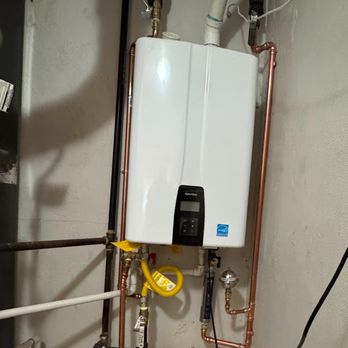
Grasping pricing for kitchen remodel plumbing electrical enables realistic budgeting and prevents unexpected expenses. Basic updates—replacing outlets, fixtures, and making minor adjustments—generally range from $5,000 to $12,000. Mid-range work with relocations, circuit additions, GFCI protection, and panel enhancements generally ranges from $12,000 to $25,000. Full-scale integration with complete rough-ins, approvals, major circuits, and major moves commonly amounts to $20,000–$45,000, usually representing 10–20% of the entire kitchen budget.
Several factors influence final pricing alongside materials and relocation complexity. Lack of coordination often results in costly rework adding thousands—misaligned trades lead to repeated openings, additional labor hours, and wasted materials. Clear upfront budgeting establishes trust and avoids surprise expenses. Comprehensive cost breakdowns enable prioritization of critical upgrades while remaining budget-conscious. For reliable cost assessments and personalized quotes, explore our kitchen and bath quote request page.
This systematic process supports smart planning. Obtain a no-obligation quote designed for your specific scope and preferences.
Real-World Examples and Lessons from Contra Costa Kitchen Remodels
Real-life examples illustrate how proper kitchen remodel plumbing electrical coordination achieves superior results. In Danville, a resident sought to reposition the sink to build a central island. Integrated planning ensured plumbing lines and electrical circuits aligned perfectly, avoiding delays and passing inspections on the first attempt. The kitchen gained improved workflow and modern functionality without unexpected costs.
In Walnut Creek, an older residence needed replacement of outdated wiring and galvanized plumbing. Coordinated trades finished rough-in work smoothly, yielding a protected, regulation-compliant area with superior lighting, outlets, and appliance functionality. The resident described a more efficient experience and greater satisfaction than anticipated.
Additional testimonials reinforce these outcomes: "The whole kitchen remodel plumbing electrical effort went smoothly—no unexpected issues, no added costs." – Orinda homeowner. "Approvals and inspections were executed perfectly; the professionals eliminated all anxiety." – San Ramon resident. "We love our new layout; coordination kept everything on time and on budget." – Pleasant Hill homeowner.
These examples highlight the value of experienced collaboration. Let us deliver comparable results for your project. View additional client comments on our reviews page. reviews page.
Best Practices for Choosing and Working with Plumbing and Electrical Contractors
Identifying suitable contractors starts with checking licenses, insurance, and knowledge of local building codes. Question them on prior kitchen renovations, expertise in kitchen remodel plumbing electrical progression, and recent client references. Clear communication matters greatly—dependable trades offer transparent schedules, frequent progress reports, and prompt replies.
One dedicated coordinator controls scheduling, addresses issues, and maintains trade alignment without requiring homeowner management. Carefully vetted trade networks ensure high-quality work and responsibility. After-completion follow-up resolves any adjustments or issues quickly.

Safety, compliance, and attention to detail remain top priorities for long-term satisfaction. For additional information on our methods, visit our about us page. about us page.
Get in touch for dependable suggestions and coordination guidance designed for your project.
Common Concerns About Kitchen Remodel Plumbing Electrical And How We Solve Them
Project delays from trade scheduling conflicts top many homeowner concerns. Thorough planning and centralized management maintain alignment and keep schedules intact. Surprise costs from undiscovered issues generate concern. Detailed initial evaluations and open pricing avoid surprises and maintain budget control.
Protection and regulatory fears develop from improper work. Expert supervision maintains code compliance, guaranteeing GFCI coverage and safe wiring. These issues are common yet fully addressable through skilled handling. Reach out to discuss your specific worries and receive tailored solutions.
Areas We Serve Throughout Contra Costa County California
Our service area covers all of Contra Costa County and extends to neighboring regions: Alamo, Walnut Creek, Lafayette, Danville, Moraga, Orinda, Pleasant Hill, San Ramon, Hercules, El Cerrito, Pinole, Albany, Berkeley, San Pablo, Concord, Pittsburg, Martinez, Diablo, Clayton, Port Costa, Benicia, Antioch, Canyon, Crockett, Rodeo, Oakland, El Sobrante, Suisun City, Vallejo, Birds Landing, Richmond, Brentwood, Oakley, plus Alameda County, Solano County, San Francisco, San Leandro, Livermore, Pleasanton, Alameda, Union City, Hayward, Dublin, Castro Valley, Bay Point, Meadowhomes, Four Corners, Concord Valley, North Concord, San Francisco County, and Marin County. Strategic location near primary routes delivers quick response throughout the region.
Regional expertise handles location-specific issues like vintage home wiring, earthquake requirements, and local code variations. Contact us for expert guidance suited to your location. Explore our services in individual locations on our Walnut Creek kitchen remodeling page. Walnut Creek kitchen remodeling page.
Frequently Asked Questions About Kitchen Remodel Plumbing Electrical Coordination
What order should plumbing and electrical go in a kitchen remodel?
Plumbing rough-in usually comes first to accommodate gravity drainage and fixture positioning needs. Electrical installation subsequently adjusts to plumbing layout for best placement. This progression in kitchen remodel plumbing electrical eliminates conflicts, facilitates inspections, and lowers rework expenses. Proactive planning secures integration for an efficient, usable result. Learn more about our process on the kitchen and bathroom remodeling page. kitchen and bathroom remodeling page.
How much does plumbing electrical cost in a kitchen remodel?
Pricing typically falls between $5,000–$12,000 for simple changes and $20,000–$45,000 for complete coordination including permits and extensive work. Variables influencing price encompass labor, materials, and project complexity. Proper coordination minimizes overruns by preventing delays and fixes. Request a personalized estimate from our kitchen quote page. kitchen quote page.
Do I need permits for kitchen remodel plumbing electrical?
Permits are necessary for line moves, circuit additions, or significant modifications in Contra Costa County (Contractor Plumber Near Me Livermore). The local Building Inspection Division processes applications and performs inspections to ensure safety and code adherence. Expert handling prevents hold-ups. See our compliance approach on why choose us. why choose us
What GFCI outlets are required in a kitchen remodel?
Every countertop receptacle and those near sinks must have GFCI protection. Child-resistant tamper-proof models enhance safety for families. Standards demand this coverage near water areas for shock prevention. Explore related services on our electrical and plumbing page. electrical and plumbing page.
Should plumbing or electrical go first in a kitchen remodel?
Plumbing usually leads electrical to accommodate drainage needs and fixture layout. Electrical adapts afterward for optimal routing. This progression boosts effectiveness in kitchen remodel plumbing electrical. To learn more, check our about us page. about us page.
How to coordinate plumbing electrical kitchen renovation?
A general contractor manages scheduling, vetting, and conflict resolution. Centralized oversight aligns trades and maintains project momentum. This approach minimizes homeowner involvement and delivers superior outcomes. Check our coordination process on client reviews. client reviews.
What appliances need dedicated circuits in a kitchen?
Refrigerators, ranges, dishwashers, microwaves, and disposals require dedicated circuits to avoid circuit overloads and maintain dependable performance. Thoughtful planning delivers consistent appliance operation. Discover appliance integration details on custom work page. custom work page.
How long does plumbing electrical phase take in kitchen remodel?
Rough-in work typically spans 1–3 weeks based on project scope. Proper alignment maintains efficient schedules. To learn about project durations, visit our FAQ page. our FAQ page.
Can I DIY plumbing electrical kitchen remodel?
DIY attempts often lead to code violations, safety hazards, and costly corrections. Professional knowledge delivers code-compliant, effective outcomes with specialized skills and equipment. Explore professional services on our contact page. our contact page.
What common plumbing electrical issues arise in kitchen remodel?
Frequent issues encompass old wiring, concealed leaks, non-compliant receptacles, and incorrect routing. Early detection and coordination prevent escalation. Additional solutions available at emergency plumbing services. emergency plumbing services.
We Can Help! Contact Us Today

Boasting more than 30 years of providing regulation-compliant, streamlined kitchen remodel plumbing electrical coordination throughout Contra Costa County, complete satisfaction is assured via open communication and professional management. Homeowners feel relief from coordination stress, trust in professional handling, excitement for their updated space, confidence in safety and value, and pride in a functional home—reasonably backed by budget savings, elevated ROI, time savings, lasting quality, and no corrections. 1251 Stone Valley Rd, Alamo, CA 94507—get in touch today at (925) 234-9023 to schedule a complimentary consultation to enjoy reliable, rewarding outcomes in your kitchen upgrade. Whether you need a complete renovation or specific improvements, expert trade alignment creates the advantage. Head to our contact page to start, or discover additional information on our FAQ. contact page. Your perfect kitchen is within reach—let's build it without common obstacles.
United Constructors Inc.
Address: 1251 Stone Valley Rd Alamo, CA 94507Phone: (925) 234-9023
Email: [email protected]
United Constructors Inc.
Plumber Contractor Near Me Livermore, CA
Best Plumbing Contractors Near Me Livermore, CA
Commercial Plumbing Contractor Near Me Livermore, CA
Professional Plumbing Contractors Livermore, CA
Plumbing Commercial Contractors Livermore, CA
Commercial Plumbing Contractor Near Me Livermore, CA
Plumbing Contractors Near Me Livermore, CA
General Contractor For Plumbing Livermore, CA
Plumbing Installation Contractor Livermore, CA
Plumbing Contractors Near Me Livermore, CA
Plumbing Heating Cooling Contractors Livermore, CA
General Contractor For Plumbing Livermore, CA
Commercial Plumbing Contractor Near Me Livermore, CA
Bathroom Plumbing Contractors Livermore, CA
Plumbing Installation Contractor Livermore, CA
Plumbing And Mechanical Contractors Livermore, CA
Local Plumbing Contractors Livermore, CA
Contractors Plumbing Livermore, CA
Industrial Plumbing Contractors Near Me Livermore, CA
Contractor Plumbing Livermore, CA
Plumbing And Heating Contractors Near Me Livermore, CA
Plumbing Contractors In My Area Livermore, CA
Best Plumbing Contractors Near Me Livermore, CA
General Contractor For Plumbing Livermore, CA
General Contractor For Plumbing Livermore, CA
Residential Plumbing Contractors Near Me Livermore, CA
Plumbing And Mechanical Contractors Livermore, CA
General Contractor For Plumbing Livermore, CA
Contractors Plumbing Livermore, CA
Plumbing Heating Cooling Contractors Livermore, CA
Plumbing Heating Cooling Contractors Livermore, CA
Plumbing Heating Cooling Contractors Livermore, CA
Local Plumbing Contractors Livermore, CA
Contractors Plumbing Livermore, CA
Plumbing And Mechanical Contractors Livermore, CA
Plumbing Heating Cooling Contractors Livermore, CA
Bathroom Plumbing Contractors Livermore, CA
Plumbing And Electrical Contractors Livermore, CA
Contractor Plumber Near Me Livermore, CA
Licensed Plumbing Contractor Livermore, CA
Plumber Contractors Near Me Livermore, CA
Heating And Plumbing Contractors Near Me Livermore, CA
Professional Plumbing Contractors Livermore, CA
Heating And Plumbing Contractors Near Me Livermore, CA
Plumbing Installation Contractor Livermore, CA
Local Plumbing Contractors Livermore, CA
Industrial Plumbing Contractors Near Me Livermore, CA
Contractor Plumber Near Me Livermore, CA
Contractor Plumbing Livermore, CA
Finding A Good Seo Services Near Me Livermore, CA
Finding A Seo Expert Livermore, CA
United Constructors Inc.
Industrial Plumbing Contractors Near Me Livermore, CA
Plumber Contractor Near Me Livermore, CA

Table of Contents
- – United Constructors Inc.
- – Understanding the Importance of Coordinating P...
- – The Ideal Sequence for Plumbing and Electrical...
- – Navigating Permits and Building Codes for Kitc...
- – Typical Costs and Budget Considerations for Pl...
- – Real-World Examples and Lessons from Contra Co...
- – Best Practices for Choosing and Working with P...
- – Common Concerns About Kitchen Remodel Plumbing...
- – Areas We Serve Throughout Contra Costa County ...
- – Frequently Asked Questions About Kitchen Remod...
- – We Can Help! Contact Us Today
- – United Constructors Inc.
Latest Posts
Tankless Water Heater Installer Rancho Penasquitos
Toilet Repair Tierrasanta San Diego
Residential Plumber Near Me Scripps Ranch San Diego
More
Latest Posts
Tankless Water Heater Installer Rancho Penasquitos
Toilet Repair Tierrasanta San Diego
Residential Plumber Near Me Scripps Ranch San Diego