All Categories
Featured
Table of Contents
- – United Constructors Inc.
- – What Is a Realistic Remodeling Timeline?
- – Average Durations by Project Type
- – Why Bay Area Projects Differ from National Av...
- – Building in Realistic Buffers
- – How Long Does Planning and Permitting Take in ...
- – Key Steps in the Planning Phase
- – Contra Costa County Permitting Process Details
- – Common Delays and Prevention Strategies
- – Impact on Overall Remodeling Timeline
- – What Are the Main Phases of a Home Remodel Tim...
- – Phase 1 – Vision and Feasibility
- – Initial Consultations
- – Feasibility Assessment
- – Phase 2 – Design and Documentation
- – Team Assembly
- – Phase 3 – Demolition and Rough Work
- – Structural Adjustments
- – Phase 4 – Installations and Finishes
- – Custom Elements
- – What Causes Delays in Bay Area Remodeling Time...
- – Permitting and Inspection Bottlenecks
- – Material Lead Times and Supply Chain Issues
- – Scope Creep and Change Orders
- – Weather and External Factors
- – How Do Specific Services Fit into the Remodeli...
- – Kitchen Remodeling Timeline Breakdown
- – Bathroom Remodeling Timeline Details
- – Whole House and Addition Timelines
- – Flooring and Exterior Integration
- – How Seismic Retrofitting and Code Compliance A...
- – Seismic Requirements in Contra Costa County
- – Energy-Efficient and Accessibility Standards
- – Integration with Overall Phases
- – Areas We Serve Throughout Contra Costa County ...
- – Frequently Asked Questions About Remodeling Ti...
- – How long does a kitchen remodel take in Contr...
- – What causes the most delays in Bay Area remod...
- – How much buffer should I build into my remode...
- – Does seismic retrofitting extend the timeline...
- – What is the average whole house remodeling ti...
- – How long does a bathroom remodel take?
- – How do permits affect the remodeling timeline...
- – What is the best way to avoid remodeling delays?
- – How does material lead time impact the timeline?
- – What should I expect during the final walkthr...
- – We Can Help! Contact Us Today
- – United Constructors Inc.
Most homeowners have stood in your Bay Area residence—perhaps in Walnut Creek, Lafayette, or Orinda—imagining renovations that better suit your lifestyle. A modern kitchen, seamless open-concept layout, or updated bathroom can completely change daily life. The anticipation feels exciting, but the apprehension is equally strong: how long will a remodeling timeline take? How long is a realistic home remodeling timeline in the Bay Area? These concerns surface for almost every homeowner along the I-680 corridor. Any remodel creates upheaval—dust clouds, ongoing noise, and temporary kitchen setups—and tales of prolonged projects fuel hesitation. Countless homeowners finish successful remodels when expectations align with reality. A standard remodeling timeline changes with project complexity: kitchen renovation timeline often between three and six months, bathroom renovation timeline between two and four months, full house remodeling timeline six to eighteen months. In Contra Costa County, regional requirements such as permitting, seismic work, and Title 24 standards extend durations compared to standard nationwide timelines. You're not alone in feeling this blend of anticipation and anxiety. With structured phases, transparent communication, and built-in buffers, the journey changes from stressful to controlled. Grasping renovation stages, frequent delays, and practical buffers turns doubt into readiness. This guide details the full scope of construction timeline planning and realistic expectations, including major phases, regional factors, delay avoidance, service sequencing, and additional insights to enable confident planning and fearless progress.
Many people begin their home remodeling adventure with genuine enthusiasm for the finished space: a modern kitchen remodeling timeline that flows seamlessly into the living area, a bathroom remodeling timeline including spa features like frameless showers and heated floors, or a complete whole house remodeling timeline that redefines family life. However, the central question remains: how long will it actually take? A dependable remodeling timeline offers the clarity essential to reach well-informed choices, manage contractor schedules, and prepare your household. Throughout the Bay Area, given complex regulations and fluctuating material availability, precise planning grows even more important. This resource carefully explains all facets of construction timeline planning so you can advance with complete assurance.
What Is a Realistic Remodeling Timeline?
A practical remodeling timeline represents a thorough, phased schedule that balances ambitious project goals with practical realities, covering design work, approvals, construction activities, inspections, and planning for potential surprises. Unlike generic national estimates, a genuinely realistic remodeling timeline considers Bay Area-specific elements such as strict seismic regulations, Title 24 energy standards, layered permitting processes, and variable material availability. Harvard Joint Center for Housing Studies findings reveal ongoing interest in home renovation projects, yet Contra Costa County remodels frequently extend 20–40% beyond national norms. Homeowners searching how long does a remodeling timeline take or average home remodel duration need precise, location-specific answers. A solid remodeling timeline incorporates 15–30% contingency buffers to guard against weather delays, inspection scheduling problems, supply chain disruptions, or unexpected structural discoveries during construction. Realistic expectations avoid budget surprises, ease emotional pressure, and enable effective planning for temporary living setups. Open timelines build confidence between homeowners and contractors, transforming what could be a stressful ordeal into a well-organized, predictable path to a beautifully updated home.
Average Durations by Project Type
Typical kitchen remodeling timelines usually last 3–6 months, encompassing design coordination, plumbing/electrical rough-ins, custom cabinetry installation, quartz countertop placement, and final finishes. The bathroom remodeling timeline averages 2–4 months, concentrating on waterproofing, proper fixture sequencing, walk-in shower systems, radiant floor heating, frameless glass doors, floating vanity installation, and eco-conscious fixtures. Full-house remodeling timelines often span from 6–18 months, including structural changes, open-concept conversions, foundation work, complete mechanical system updates, room-by-room finishing, and exterior integration.
Why Bay Area Projects Differ from National Averages
Title 24 energy compliance requires detailed calculations and inspections that most national projects bypass. Seismic retrofitting requires engineering reviews and structural reinforcement not usually required outside California. Multi-jurisdiction permitting in Contra Costa County adds layers of review. These regional requirements substantially extend Bay Area remodeling timelines.
Building in Realistic Buffers
A 15–30% contingency buffer is industry standard. It protects against material delays, inspection backlogs, or hidden structural issues. This approach preserves budgets and lowers homeowner anxiety across the entire remodeling timeline.
Reliable timelines build confidence and ease worry. Reach out for a complimentary timeline review customized for your Contra Costa County property. Discover our project management methodology here and understand our team capabilities here.
How Long Does Planning and Permitting Take in Contra Costa County?
The planning and permitting phase serves as the essential pre-construction foundation of every renovation timeline, frequently becoming the most time-consuming pre-build stage. In the Contra Costa County area, this period commonly lasts 2–6 months, particularly with structural work or home additions, trending toward the longer end. Getting involved early in design, budgeting, and permit readiness avoids costly redesigns down the line. Homeowners frequently underestimate this phase, however it ultimately governs project viability, budget precision, and when construction can actually begin. Local building departments require comprehensive submissions covering Title 24 energy calculations, seismic engineering details, zoning compliance, and structural integrity. Forward-thinking contractors develop complete, compliant submission packages that shorten review periods and maintain the remodeling timeline schedule. Skipping early planning or submitting incomplete documents frequently causes the most significant delays homeowners experience.
Key Steps in the Planning Phase
Establishing the vision defines project objectives and boundaries. Site evaluation identifies existing conditions and constraints. Early cost estimation aligns homeowner expectations with practical numbers. Choosing materials factors in delivery times, longevity, and regulatory requirements. These elements create the groundwork for an efficient remodeling timeline.
Contra Costa County Permitting Process Details
Online portals make initial submissions more efficient, but Title 24 documentation requires detailed energy modeling. Seismic engineering clearance is required for structural changes. Review times depend on project intricacy and local department workload. Detailed readiness speeds up processing and limits repeated submissions.
Common Delays and Prevention Strategies
Missing drawings, omitted calculations, or ambiguous specifications cause revision demands. Provide complete, thorough packages from the beginning. Partner with seasoned experts who know local codes and foresee potential reviewer issues. Addressing these early maintains the remodeling timeline schedule.
Impact on Overall Remodeling Timeline
Permitting delays directly shift construction start dates. Prompt handling keeps subsequent phases moving and prevents costly trade idle periods. Good coordination maintains the complete remodeling timeline integrity.
Strong planning reduces overall project duration and removes surprises. Contact us today for professional advice on your local permitting timeline. Discover our kitchen and bathroom renovation expertise here and our expertise in ADUs and remodels here.
What Are the Main Phases of a Home Remodel Timeline?
A proven remodeling timeline adheres to a logical, sequential structure of phases beginning at concept and concluding with project completion. Every phase contains defined deliverables, key milestones, and interdependencies that allow homeowners to track progress and plan accordingly. In the Bay Area, seismic retrofitting, energy upgrades, and accessibility features integrate naturally into these phases. Comprehending the entire progression aids in temporary living coordination, expectation setting, and preserving realistic schedules throughout the project. Proper phasing also ensures trades coordinate efficiently, reducing overlap conflicts and idle periods.
Phase 1 – Vision and Feasibility
Establishing goals clarifies lifestyle requirements and project boundaries. Site review assesses present conditions and reveals opportunities. Preliminary budgeting offers early financial understanding. These initial actions avoid misalignment and expensive revisions later in the project timeline.
Initial Consultations
Talk through scope, preferences, and limitations candidly. Ensure the vision aligns with practical constraints. This exchange creates clear direction from the outset.
Feasibility Assessment
Zoning review confirms allowable alterations. Structural evaluation reveals reinforcement requirements. Early engineering specifies required elements. These reviews establish project feasibility at the outset.
Phase 2 – Design and Documentation
Detailed plans emerge with precise specifications and compliance details. 3D renderings display outcomes and enable refinements. Material choices finalize finishes, longevity, and code compliance. This phase establishes firm direction and prevents subsequent modifications.
Team Assembly
Architects contribute creative design expertise. Engineers manage structural calculations and regulatory requirements. Specialty consultants address unique elements such as accessibility or energy efficiency. Collaborative teamwork ensures comprehensive planning.
Phase 3 – Demolition and Rough Work
Careful demolition eliminates old components safely. Framing builds the updated structural skeleton. Rough-in work places necessary plumbing, electrical, and HVAC infrastructure. This phase transforms the space and sets the stage for finishes.
Structural Adjustments
Load-bearing wall removal opens up living areas. Beam strengthening enhances overall framework. Foundation work prepares for additions or substantial modifications. These changes build a strong foundation for remaining work.
Phase 4 – Installations and Finishes
Drywall work seals interior spaces. Flooring installation brings warmth and longevity. Cabinetry and fixtures deliver functionality. Painting finalizes the aesthetic look. This phase transforms the design into reality.
Custom Elements
Quartz countertops offer durable elegance. Custom cabinetry maximizes storage and style. Smart integration adds convenience and operational efficiency. These elements raise the overall quality.
Clearly structured phases create predictable advancement and peace of mind. Get in touch to define phases customized for your project. Explore our windows, doors, and flooring options here, our electrical and plumbing knowledge here, and our painting expertise here.
What Causes Delays in Bay Area Remodeling Timelines and How to Avoid Them?
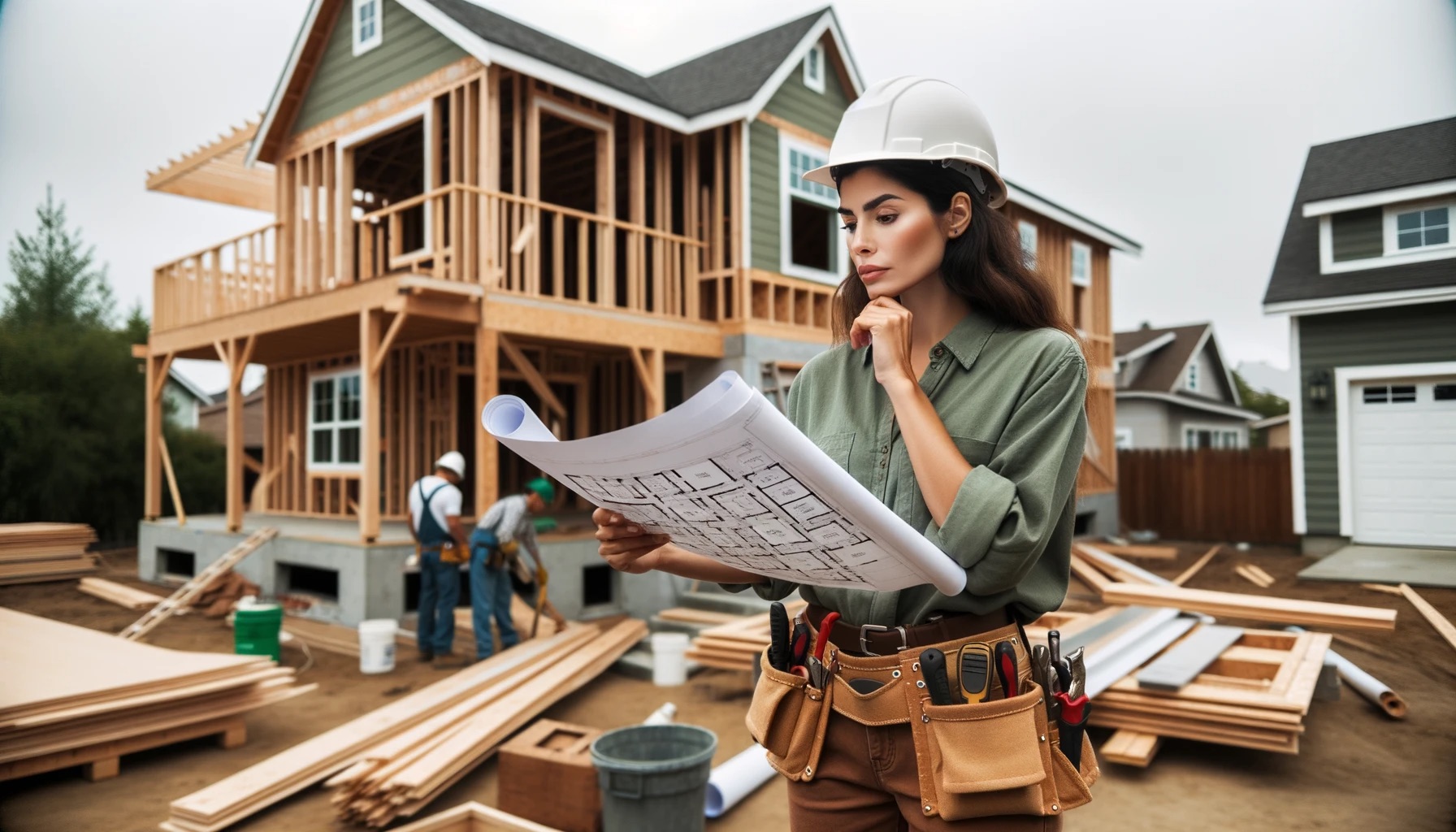
Delays stand as the top homeowner concern for homeowners starting remodeling projects, but most arise from foreseeable and avoidable causes. Throughout Contra Costa County, permitting delays, material unavailability, change orders, and inspection timing issues lead the list. Weather variability impacts outdoor elements. Concealed problems including dry rot, old wiring, or asbestos often appear during demolition. Preventive measures—early procurement, firm decisions, flexible scheduling, and clear communication—keep timelines intact and protect financial plans. Handling these risks proactively turns possible stress into a managed, predictable experience.
Permitting and Inspection Bottlenecks
Various agency reviews and plan revisions hinder speed (Adu Construction Services Contra Costa County). Submit accurate, complete packages to expedite approval. Experienced teams anticipate reviewer questions and prepare accordingly
Material Lead Times and Supply Chain Issues
Custom, eco-friendly, or specialty items require extended lead times. Order during the design phase to align with construction. This avoids downtime and maintains trade momentum.
Scope Creep and Change Orders
Mid-build modifications extend duration and budget. Secure decisions early to limit alterations. Adu Construction Services Contra Costa County. Clear decisions prevent disruptions in the remodeling timeline
Weather and External Factors
Changing Bay Area weather affects exterior and foundation phases. Arrange flexible indoor tasks during changeable weather. Weather-aware scheduling keeps the project moving.
Proactively handling delays preserves schedules and lowers stress. Let's examine delay prevention approaches for your remodel. Discover our dry rot repair and siding expertise here and our landscaping and outdoor structure capabilities here.
How Do Specific Services Fit into the Remodeling Timeline?
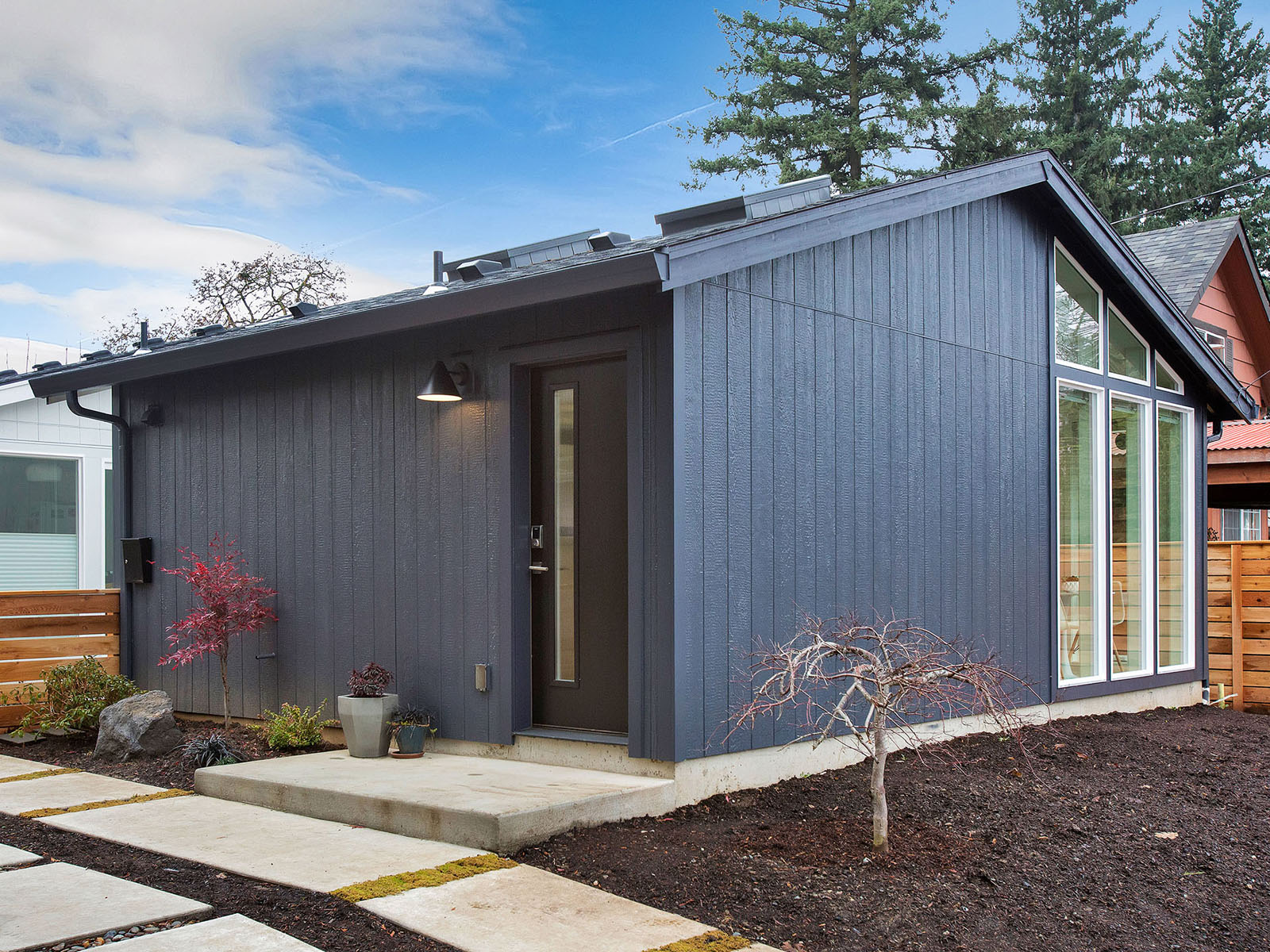
Various services take specific places within the project timeline, each needing precise ordering to avoid bottlenecks. Kitchen projects require significant plumbing and electrical coordination. Bathrooms prioritize waterproofing and fixture placement order. Full-house remodels sequence numerous trades across stages. Additions place foundation and seismic work early in the process. Accurate positioning ensures seamless transitions, limits rework, and achieves excellent quality. Each service contributes uniquely to the overall project success.
Kitchen Remodeling Timeline Breakdown
Demolition clears the existing layout. Rough-ins establish plumbing and electrical foundations. Cabinetry installation builds structure and storage. Countertops and appliances complete functionality and visual appeal. This progression builds practical, stunning kitchens.
Bathroom Remodeling Timeline Details
Plumbing rough-in sets fixture locations. Tile application builds durable, water-resistant surfaces. Shower and vanity installation finishes practical use. Careful sequencing ensures quality and longevity.
Whole House and Addition Timelines
Structural work establishes the framework. Mechanical components integrate without issues. Finishes create cohesive aesthetics throughout spaces. Exterior integration links additions with the main house.
Flooring and Exterior Integration
Refinishing restores hardwood beauty. Outdoor features increase usable living area. Painting order improves complete visual harmony. These elements complete the vision.
Proper service sequencing drives efficiency and superior results. Get in touch for a tailored service timeline. Check our 3D design services here, our custom craftsmanship options here, and our San Ramon kitchen remodeling expertise here.
How Seismic Retrofitting and Code Compliance Affect Your Timeline
Seismic retrofitting and code compliance are mandatory in much of Contra Costa County, adding time to designated phases of the remodeling timeline. Engineering evaluation and reinforcement generally contribute 4–8 weeks. Title 24 energy standards standards require early documentation and inspections to prevent rework. Proactive integration ensures safety, compliance, and minimal disruption to the overall schedule. These standards protect your property and offer enduring confidence.
Seismic Requirements in Contra Costa County
Foundation bolting anchors the building to its foundation. Cripple wall bracing reinforces exterior walls. Beam upgrades improve structural load capacity. This work fulfills California seismic requirements.
Energy-Efficient and Accessibility Standards
Heated flooring systems increase comfort and efficiency. Water-saving fixtures reduce consumption. ADA-compliant layouts support aging-in-place needs. These features add value and functionality.
Integration with Overall Phases
Embed compliance work during rough construction. This minimizes additional downtime. Correct integration simplifies the complete process.
Proper compliance delivers safety and schedule reliability. Contact us for professional seismic and code guidance. Discover our Danville ADU construction specialists here and our expert ADU construction in Lafayette here.
Areas We Serve Throughout Contra Costa County California
Homeowners across Contra Costa County and surrounding regions trust in realistic remodeling timelines customized to local regulations and conditions. From Alamo and Walnut Creek along the I-680 corridor to Lafayette, Danville, Moraga, Orinda, Pleasant Hill, San Ramon, Hercules, El Cerrito, Pinole, Albany, Berkeley, San Pablo, Concord, Pittsburg, Martinez, Diablo, Clayton, Port Costa, Benicia, Antioch, Canyon, Crockett, Rodeo, Oakland, El Sobrante, Suisun City, Vallejo, Birds Landing, Richmond, Brentwood, Oakley, and communities in Alameda County, Solano County, San Francisco County, and Marin County—localized knowledge ensures precise scheduling and compliance. Each location features distinct permitting details and construction standards that affect timelines.
Regardless of your location in the region, accurate local timelines minimize uncertainty and stress. Get in touch to review your region-specific schedule. See our contact information here and discover Walnut Creek general contracting options here, Walnut Creek kitchen remodeling, Walnut Creek bathroom renovations, Walnut Creek ADU construction, Lafayette general contractor services, Lafayette kitchen remodeling, Lafayette luxury bathroom renovations, and Lafayette ADU construction here.
Frequently Asked Questions About Remodeling Timelines
How long does a kitchen remodel take in Contra Costa County?
A kitchen remodeling timeline typically covers 3–6 months. This includes planning/permitting (2–4 months), demolition/rough work (2–4 weeks), installations (2–3 months), and finishing touches. Local regulations like Title 24 and seismic standards impact overall duration. Early action minimizes delays, with buffers managing surprises and building realistic expectations. For additional information, see our kitchen and bathroom services here.
What causes the most delays in Bay Area remodeling timelines?
Permitting queues, material shortages, change orders, and inspections lead causes. Contra Costa County reviews extend time for structural or energy compliance. Change orders during building extend schedules. Avoidance depends on thorough submissions, advance ordering, and locked decisions. Check our frequently asked questions page for more details here.
How much buffer should I build into my remodeling timeline?
15–30% contingency serves as industry standard. This accommodates inspections, weather, or hidden conditions. In the Bay Area region, buffers effectively reduce typical delays from permitting and material availability. Learn more on our about us page here.
Does seismic retrofitting extend the timeline significantly?
Generally 4–8 weeks when sequenced properly. Engineering and reinforcement fit into rough phases. Proactive planning reduces overall timeline impact. See our ADU and remodel expertise here.
What is the average whole house remodeling timeline?
Six to eighteen months throughout the Bay Area, depending on project scope. Additions or structural modifications lengthen durations. Structured phases and buffers keep the timeline manageable. Check our custom work capabilities here.
How long does a bathroom remodel take?
Usually between 2–4 months. Planning and permitting require 1–3 months, with construction spanning 4–8 weeks. Waterproofing and fixture placement require exact sequencing. Discover our bathroom renovation expertise in Walnut Creek here.
How do permits affect the remodeling timeline in Contra Costa County?
Permitting typically adds 2–6 months prior to construction. Structural modifications trigger longer review periods. Thorough packages expedite the approval process. See our contact page for support here.
What is the best way to avoid remodeling delays?
Early planning, clear communication, timely material orders, and contingency buffers. Knowledgeable teams anticipate and prevent problems. See our client testimonials for actual experiences here.
How does material lead time impact the timeline?
Custom or sustainable items delay phases. Procuring materials during design synchronizes with construction schedule. Explore our custom craftsmanship options here.
What should I expect during the final walkthrough?
Thorough inspection identifies touch-ups. Final cleanup readies the space for handover. Ensures complete satisfaction before project close. Check our frequently asked questions for more details here.
You've reviewed the complete details of project timeline planning and realistic expectations—covering essential phases, delay causes, and Contra Costa County-specific considerations. With over 30 years of proven experience since 1995, our specialists effectively navigate permits, seismic reinforcement, Title 24 standards, and regional complexities to produce reliable results. Homeowners share favorable stories: a Walnut Creek homeowner finished their open-concept kitchen ahead of schedule, praising regular communication and low disruption. A Lafayette client praised seamless seismic handling and early completion. A Danville customer highlighted excellent accessibility feature integration in their bathroom project. We stand behind every project with a satisfaction guarantee and unwavering quality focus.
United Constructors, 1251 Stone Valley Rd, Alamo, CA 94507, (925) 234-9023.
Relief from outdated environments, excitement for renewed spaces, trust in professional handling, pride in superior craftsmanship, and security in compliant, safe results drive remodeling choices. Reasonably, years of local knowledge, detailed phase organization, built-in buffers, transparent communication, and reliable on-time completion validate the choice—protecting investments and delivering excellent returns.
We Can Help! Contact Us Today
If you're looking for professional construction timeline planning throughout California, we stand as your reliable partner. Our certified experts specialize in remodeling timeline and related services, providing dependable, high-quality results. Whether you're a homeowner planning kitchen updates, bathroom renovations, whole house transformations, or home additions, we've handled numerous projects with exactness and dedication. Strategically based near I-680 in Contra Costa County, we cover Contra Costa County and surrounding communities. Complimentary consultation offered. With extensive experience and a satisfaction guarantee, we make certain your project thrives. Let us help realize your vision with complete assurance!
Schedule Complimentary Consultation + Timeline Checklist
United Constructors Inc.
Address: 1251 Stone Valley Rd Alamo, CA 94507Phone: (925) 234-9023
Email: [email protected]
United Constructors Inc.
Adu Construction Company Contra Costa County, CA
Adu Home Addition Contractor Contra Costa County, CA
Adu Services Near Me Contra Costa County, CA
Adu Home Addition Contractor Contra Costa County, CA
Adu Construction Companies Contra Costa County, CA
Adu Builders Near Me Contra Costa County, CA
Adu Garage Builders Contra Costa County, CA
Adu Services Near Me Contra Costa County, CA
Best Adu Builders Contra Costa County, CA
Adu Architects Near Me Contra Costa County, CA
Adu Experts Contra Costa County, CA
Adu Design Services Contra Costa County, CA
Adu Contractors Near Me Contra Costa County, CA
Adu Specialist Near Me Contra Costa County, CA
Adu Company Near Me Contra Costa County, CA
Adu Remodel Contra Costa County, CA
Adu Experts Contra Costa County, CA
Custom Adu Builders Contra Costa County, CA
Adu Garage Conversion Contractor Near Me Contra Costa County, CA
Adu Designers Near Me Contra Costa County, CA
Adu Construction Company Contra Costa County, CA
Adu Construction Near Me Contra Costa County, CA
Adu Designers Near Me Contra Costa County, CA
Adu Builder Near Me Contra Costa County, CA
Adu Specialist Near Me Contra Costa County, CA
Adu Specialist Contra Costa County, CA
Adu Builder Near Me Contra Costa County, CA
Adu Construction Companies Contra Costa County, CA
Adu General Contractor Contra Costa County, CA
Adu Home Addition Contractor Contra Costa County, CA
Adu Custom Homes Contra Costa County, CA
Adu Construction Companies Contra Costa County, CA
Adu Builders Near Me Contra Costa County, CA
Adu General Contractor Contra Costa County, CA
Adu Specialist Contra Costa County, CA
Adu Construction Near Me Contra Costa County, CA
Adu Builder Near Me Contra Costa County, CA
Adu Construction Services Contra Costa County, CA
Adu Home Builders Near Me Contra Costa County, CA
Adu Company Near Me Contra Costa County, CA
Adu Experts Contra Costa County, CA
Adu Construction Company Contra Costa County, CA
Adu Companies Contra Costa County, CA
Adu Companies Near Me Contra Costa County, CA
Adu Companies Contra Costa County, CA
Adu Design Services Contra Costa County, CA
Adu Company Near Me Contra Costa County, CA
Adu Home Addition Contractor Contra Costa County, CA
Adu Design Services Contra Costa County, CA
Close To Seo For Small Business Contra Costa County, CA
In My Area Seo For Small Business Contra Costa County, CA
United Constructors Inc.
Adu Specialist Contra Costa County, CA
Custom Adu Builders Contra Costa County, CA

Table of Contents
- – United Constructors Inc.
- – What Is a Realistic Remodeling Timeline?
- – Average Durations by Project Type
- – Why Bay Area Projects Differ from National Av...
- – Building in Realistic Buffers
- – How Long Does Planning and Permitting Take in ...
- – Key Steps in the Planning Phase
- – Contra Costa County Permitting Process Details
- – Common Delays and Prevention Strategies
- – Impact on Overall Remodeling Timeline
- – What Are the Main Phases of a Home Remodel Tim...
- – Phase 1 – Vision and Feasibility
- – Initial Consultations
- – Feasibility Assessment
- – Phase 2 – Design and Documentation
- – Team Assembly
- – Phase 3 – Demolition and Rough Work
- – Structural Adjustments
- – Phase 4 – Installations and Finishes
- – Custom Elements
- – What Causes Delays in Bay Area Remodeling Time...
- – Permitting and Inspection Bottlenecks
- – Material Lead Times and Supply Chain Issues
- – Scope Creep and Change Orders
- – Weather and External Factors
- – How Do Specific Services Fit into the Remodeli...
- – Kitchen Remodeling Timeline Breakdown
- – Bathroom Remodeling Timeline Details
- – Whole House and Addition Timelines
- – Flooring and Exterior Integration
- – How Seismic Retrofitting and Code Compliance A...
- – Seismic Requirements in Contra Costa County
- – Energy-Efficient and Accessibility Standards
- – Integration with Overall Phases
- – Areas We Serve Throughout Contra Costa County ...
- – Frequently Asked Questions About Remodeling Ti...
- – How long does a kitchen remodel take in Contr...
- – What causes the most delays in Bay Area remod...
- – How much buffer should I build into my remode...
- – Does seismic retrofitting extend the timeline...
- – What is the average whole house remodeling ti...
- – How long does a bathroom remodel take?
- – How do permits affect the remodeling timeline...
- – What is the best way to avoid remodeling delays?
- – How does material lead time impact the timeline?
- – What should I expect during the final walkthr...
- – We Can Help! Contact Us Today
- – United Constructors Inc.
Latest Posts
Anaheim Hills Wedding Photographer
Orange Video Marketing Production
Internet Marketing Yorba Linda
More
Latest Posts
Anaheim Hills Wedding Photographer
Orange Video Marketing Production
Internet Marketing Yorba Linda