All Categories
Featured
Table of Contents
- – Innovative Senior Care
- – What Is In-Home Hearing Care and How Does It H...
- – Understanding Age-Related Hearing Loss (Presb...
- – Common Signs in Daily Routines
- – Why Communication Breaks Down at Home
- – Non-Medical vs Device-Focused Approaches
- – Benefits of Caregiver-Led Support
- – Who Benefits Most from At-Home Assistance
- – How Does Hearing Loss Impact Daily Communicati...
- – Emotional Effects Like Isolation and Frustration
- – Links to Social Withdrawal
- – Impact on Family Dynamics
- – Practical Challenges in the Home Environment
- – Missing Alarms, Phones, or Conversations
- – Long-Term Risks if Untreated
- – What Are Effective Communication Strategies fo...
- – Face-to-Face Techniques and Visual Cues
- – Positioning and Lighting Tips
- – Clear Speech Without Shouting
- – Reducing Background Noise for Better Clarity
- – Home Environment Adjustments
- – Using Gestures and Written Aids
- – Technology-Free Tools That Work
- – Daily Practice Routines for Consistency
- – How Can In-Home Hearing Care Improve Home Safe...
- – Addressing Missed Auditory Cues
- – Door Bells, Smoke Alarms, and Emergency Calls
- – Fall Prevention Through Awareness
- – Integrating Wellness Checks and Mobility Support
- – Daily Safety Monitoring
- – Home Modification Ideas Without Major Changes
- – What Role Do Caregivers Play in Supporting Hea...
- – Personalized Daily Living Assistance
- – Companionship During Conversations
- – Medication and Routine Reminders
- – Emotional and Social Engagement Support
- – Preventing Loneliness Through Activities
- – Family Caregiver Relief and Training
- – Coordinating with Other Senior Needs
- – In-Home Hearing Care vs Traditional Clinic App...
- – Convenience and Accessibility Factors
- – No Travel Required
- – Personalized Home Environment
- – Focus on Communication Over Devices
- – Non-Medical Strategies
- – Cost and Time Savings
- – Flexible Scheduling
- – Long-Term Outcomes and Satisfaction
- – Real Stories: How Families in Coachella Valley...
- – Testimonials from Local Families
- – Measurable Improvements in Daily Life
- – Common Concerns About In-Home Hearing Care and...
- – Is It Expensive or Time-Consuming?
- – Will It Feel Intrusive?
- – What If We Already Tried Other Options?
- – How Do We Know It Will Work for Our Loved One?
- – Areas We Serve Throughout Coachella Valley Cal...
- – Cities Covered Near the I-10 Freeway
- – Local In-Home Hearing Care Experts Near You
- – Frequently Asked Questions About In-Home Heari...
- – What is in-home hearing care for seniors?
- – How does hearing loss affect communication at...
- – Is in-home hearing care different from hearin...
- – What services help with hearing loss at home?
- – How soon can I see improvements?
- – Do you serve Coachella Valley areas?
- – How to help a senior with hearing loss at home?
- – What causes hearing loss in elderly at home?
- – Best ways to communicate with hearing impaire...
- – Prevent social isolation from hearing loss at...
- – We Can Help! Contact Us Today
- – Innovative Senior Care
Innovative Senior Care
77564 Country Club Dr Ste 228/230 Palm Desert, CA 92211(760) 469-4999
Innovative Senior Care
Home-based hearing support offers compassionate, non-medical assistance right where seniors are most at ease—their own home—assisting them address hearing loss challenges and rebuild valuable communication with family and friends. Different from device-focused audiology services, this approach concentrates on caregiver-guided techniques that strengthen routine conversations, minimize social isolation, and facilitate safe, independent living excluding needing clinic sessions or expensive equipment. Families looking for communication help for hearing impaired seniors, non-medical hearing support, or communication help for hearing impaired seniors realize that easy, steady approaches—such as face-to-face positioning, background noise reduction, and visual cue reinforcement—can significantly boost quality of life. This comprehensive article examines proven techniques, safety enhancements, caregiver roles, frequent questions, and real-family outcomes, providing you clear information for anyone searching for hearing loss assistance at home or communication help for hearing impaired seniors.
Hearing issues commonly develop quietly, making it challenging to notice until conversations become strained. A senior parent may smile politely during dinner but later acknowledge they only caught most of what was said. That seemingly minor shift generates a surge of worry—might they withdraw progressively? Will little misunderstandings develop into lasting separation? Numerous adult children and spouses feel this silent pain and begin seeking for methods to support free from imposing unwelcome medical treatments. In-home hearing care provides a compassionate , powerful route forward: tailored support that connects with seniors precisely where they are, concentrating on conversational comfort, mental well-being, and everyday self-assurance.
What Is In-Home Hearing Care and How Does It Help Seniors Stay Connected?
At-home hearing assistance offers non-medical help straight in the home to assist seniors with hearing loss. Support providers focus on interaction methods, companionship, and straightforward ambient changes rather than technology sales or installations. This model helps seniors participate completely in talks, decreasing the fatigue that often is associated with hearing difficulties. It fosters self-respect and self-reliance while dealing with the emotional toll of experiencing excluded.
Understanding Age-Related Hearing Loss (Presbycusis)
Presbycusis is the leading form of hearing loss among older adults, caused by progressive decline on the cochlea and auditory nerve. Sharp sounds turn hard to distinguish first, causing consonant-heavy speech (such as “s,” “th,” or “f”) particularly challenging to understand. As time passes, this results to frequent requests for clarification, incorrectly perceived directions, and increasing reluctance to participate in social gatherings. The health authority indicates that almost one in three people aged 65–74 and almost half of those 75 and older experience disabling hearing loss. Early, regular support prevents these developments from worsening into deeper social and emotional consequences.
Common Signs in Daily Routines
Observe for patterns such as raising the television volume abnormally high, having difficulty to understand phone conversations, or frequently asking “what?” during everyday talks. These habits frequently manifest first in familiar home spaces where surrounding sounds from devices or family activity interferes with speech. Identifying these early signs permits families to introduce helpful approaches before disengagement grows into ingrained.
Why Communication Breaks Down at Home
Home settings offer specific difficulties: reverberating hallways, competing sounds from kitchens or televisions, and variable light conditions that hides lip-reading cues. Seniors may be unaware how much they subconsciously lean on facial cues to enhance hearing. When these helps are absent or variable, even simple conversations feel exhausting, leading to briefer conversations and reduced participation.
Non-Medical vs Device-Focused Approaches
Conventional audiology services center on assessments and hearing aid adjustments, which are invaluable for many but require regular office visits and calibration periods. In-home hearing care pursues a alternative path, focusing solely on behavioral adaptations, support provider education, and home-specific changes. This non-medical model steers clear of technology sales and alternatively builds long-lasting patterns that enhance natural communication and emotional well-being.
Benefits of Caregiver-Led Support
Assistant-directed care offers immediate mental relief—seniors perceive understood rather than “fixed”. Families report clear improvements in disposition and involvement within weeks, as loved ones reclaim self-assurance in group interactions. The model is flexible, economical, and fully integrated into daily routines.
Who Benefits Most from At-Home Assistance
Seniors who favor to age in place, individuals with limited movement, older adults with moderate-level hearing loss, and relatives looking for non-institutional solutions receive the largest advantages. This support system is particularly useful for individuals who consider clinic visits overwhelming or logistically difficult, offering personalized help that honors self-reliance while tackling communication barriers successfully.
Numerous families realize that in-home hearing care changes routine moments—dinners, phone calls, sharing stories—into opportunities for closeness again. The priority continues on self-respect, consideration, and natural exchange.
Contact us for a complimentary consultation to explore how these approaches can work in your home. Explore our full range of elder care options in Palm Desert.
How Does Hearing Loss Impact Daily Communication and Family Life?
Hearing loss extends far beyond the sense of hearing—it subtly transforms emotional bonds, family rhythms, and daily confidence. When words feels muffled or demanding, discussions decrease, confusions increase, and involvement fades. These developments influence more than the senior but everyone sharing space in the home, producing a pattern of frustration and withdrawal that can intensify over time.

Emotional Effects Like Isolation and Frustration
Repeatedly occurring miscommunications create annoyance. Gradually, many seniors start to avoid interactions entirely to escape the awkwardness of struggling to follow. This pullback frequently contributes in deep solitude, as previously valued roles—elder advisor—diminish. Mental well-being declines when connection feels out of reach.
Links to Social Withdrawal
Untreated hearing loss greatly increases the risk of social isolation. Elders may decline opportunities, bypass group activities, or limit phone contact, gradually diminishing their world. The mental strain increases as opportunities for happiness, cheer, and belonging turn rarer.
Impact on Family Dynamics
Adult children often realize themselves re-explaining clarifications calmly but sense powerless. Spouses lack shared humor. Brothers and sisters disagree over who should “handle” the situation. These patterns strain relationships that previously felt easy.
Practical Challenges in the Home Environment
Everyday home sounds—blenders, door chimes, media, children playing—clash with speech. Spaces with echo-prone materials create reverberations that even more distort incoming sound.
Missing Alarms, Phones, or Conversations
Critical sound cues are overlooked: fire detectors, visitor signals, telephone alerts. These failures cause security concerns and increase everyday anxiety for household and seniors alike.
Long-Term Risks if Untreated
Ongoing hearing difficulties correlate with elevated fall risk, brain health issues, and emotional distress. Prompt intervention stops this worsening, maintaining both personal protection and brain clarity.
Understanding these extensive effects inspires families to respond. Hearing loss assistance at home offers actionable, compassionate approaches to restore harmony and bonding.
If these situations appear common, contact us to discover solutions-oriented paths. Discover more about our approach to care.
What Are Effective Communication Strategies for Hearing Loss at Home?
Proven ways to communicate better with hearing loss at home center on establishing environments where words is processed effectively and comfortably. Support providers guide these techniques gradually, assisting seniors and families create patterns that reduce frustration and increase shared comprehension.
Face-to-Face Techniques and Visual Cues
Face-to-face eye contact and open visibility of the speaker’s face help clarity. Hand movements support verbal messages. These essentials create the base of effective interaction, making interactions more instinctive.
Positioning and Lighting Tips
Set up chairs so facial features are well-lit free from shadows or glare. Ambient window light or adjustable lamps help lip-reading. Steer clear of backlighting that darkens speakers, making sure visibility facilitates understanding.
Clear Speech Without Shouting
Communicate at a normal volume but with careful enunciation. Slow your tempo slightly and break between phrases. Shouting alters sound and can feel impolite—clearness at normal volume works far superior.
Reducing Background Noise for Better Clarity
Silence interfering sources during important conversations. Close entryways to stop outside-room audio. Picking more peaceful areas for dining or visits significantly boosts conversation clarity.
Home Environment Adjustments
Position carpets or fabric items in reverberant areas to reduce sound bounce. Rearrange furniture so talk areas are distant from loud corridors. Small acoustic changes produce outsized benefits.
Using Gestures and Written Aids
Easy gestures support essential points. Have a pad or clearly written notes handy for details. These low-tech methods offer consistent backups when verbal clarity falters.
Technology-Free Tools That Work
Big-font lists or image aids communicate information. They give quick, effective support excluding requiring complicated devices that may overwhelm.
Daily Practice Routines for Consistency
Set aside brief times each day for purposeful talk practice. Discuss the day’s happenings, share a story, or read together together. Regular reinforcement enhances both skill and self-assurance.
Teams with profound background in senior care apply these methods with care and accuracy. Families achieve emotional relief through revived communication and practical benefit from in-home implementation. Discover our complete service offerings.
Prepared to bring these techniques into your everyday routine? Contact us for a complimentary consultation.
How Can In-Home Hearing Care Improve Home Safety for Seniors?
In-home hearing care extends well outside conversation—it immediately improves individual security by tackling auditory gaps that contribute to home hazards and overlooked urgencies. Caregivers integrate awareness training with daily oversight to build a better protected home setting.
Addressing Missed Auditory Cues
Seniors frequently fail to notice routine noises that indicate potential danger—doorbells, timers, fire alarms, or a relative calling from different area. Support providers implement non-auditory signals that compensate efficiently.
Door Bells, Smoke Alarms, and Emergency Calls
Set up visual notifications for doorbells and alerts, or use tactile alerts for phone calls. Support providers demonstrate proper responses, creating muscle memory for quick, confident action.
Fall Prevention Through Awareness
Hearing loss frequently co-occurs with balance challenges. Caregivers support environmental scanning—looking when shifting—and pair hearing constraints with visual inspections to lower fall risk.
Integrating Wellness Checks and Mobility Support
Routine assessments enable caregivers to detect emerging hazards—messy areas, dim illumination, unsecured carpets—and fix them in advance. Walking help ensures stable and confident walking in the residence.
Daily Safety Monitoring
Caregivers monitor habits and record shifts—such as slower response times or uncertainty in certain areas—then adjust assistance programs as needed to preserve safety.
Home Modification Ideas Without Major Changes
Simple changes like better light, visible markings on steps, or clearly marked controls supply eyesight-based support. These budget-friendly modifications greatly improve mobility and decrease risk of falls.
Forward-thinking security steps bring long-term tranquility. In-home hearing care builds safe, confident living through considerate, coordinated support. Read more about our residential health support in Palm Desert.
Let’s discuss how to make your home safer—reach out today.
What Role Do Caregivers Play in Supporting Hearing-Impaired Seniors?
Caregivers function as reliable allies and trained helpers, enabling seniors with hearing loss handle daily life with self-respect and comfort. They combine psychological care with practical techniques to guarantee conversation remains fluid and valuable.
Personalized Daily Living Assistance
Individualized help aligns with hearing needs during routines, guaranteeing well-being and consistency free from disturbing autonomy. - Morongo Valley Care Companies
Companionship During Conversations
Calm presence invites seniors to communicate ideas freely, reviving assurance in sharing and social exchange.
Medication and Routine Reminders
Gentle , consistent prompts keep schedules consistent, incorporating non-verbal signals when oral cues are less effective.
Emotional and Social Engagement Support
Caregivers plan activities that create joy—storytelling, music, light games—while including conversation-supportive environments.
Preventing Loneliness Through Activities
Frequent outings, interest-based engagement, or video chats maintain relationships and reduce withdrawal effectively.
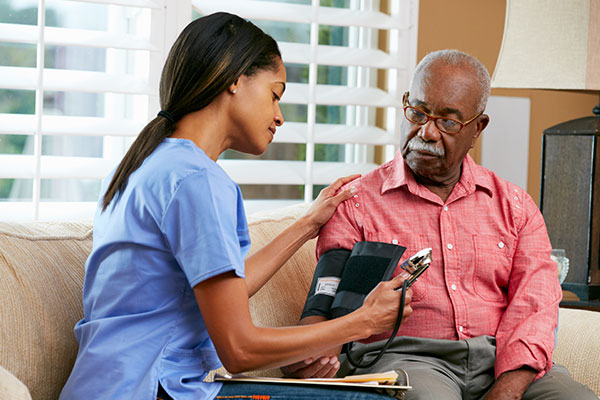
Family Caregiver Relief and Training
Training instruct relatives better interaction strategies, sound management advice, and patience strategies to simplify family communication.
Coordinating with Other Senior Needs
Smooth coordination with broader care—walking, drug management, meal planning, health—enhances complete care.
Such comprehensive approach restores psychological comfort and provides real-world framework to everyday routines. Explore on our domestic care services.
Explore how caregiver support can change your household dynamics—contact us today.
In-Home Hearing Care vs Traditional Clinic Approaches: Key Differences
Families examining paths for hearing loss support commonly evaluate clinic-based audiology with in-home support. The differences are significant and influence both convenience and outcomes.
Convenience and Accessibility Factors
In-home hearing care eliminates the necessity for travel, scheduling conflicts, and clinic delays. (Morongo Valley Care Companies)
No Travel Required
Seniors continue in known surroundings, decreasing tension and physical demands.
Personalized Home Environment
Techniques are adapted to the actual design, illumination, and acoustics of the home.
Focus on Communication Over Devices
Home care places first habit changes and support direction over amplification technology.
Non-Medical Strategies
No equipment sales—priority continues on sustainable habits.
Cost and Time Savings
Adaptable arrangements and lack of equipment costs commonly make home care budget-friendly in the long run.
Flexible Scheduling
Visits align with family routines rather than fixed office hours.
Long-Term Outcomes and Satisfaction
Home-based support promotes higher participation, psychological bond, and sustained autonomy.
| Aspect | Traditional Clinic Approach | In-Home Hearing Care Approach |
|---|---|---|
| Location | Requires travel to office | Delivered 100% at home |
| Primary Focus | Hearing aids and fittings | Communication strategies and daily support |
| Device Involvement | Central | None |
| Mobility Requirement | High | Minimal to none |
| Family Involvement | Limited | Active training and workshops |
| Timeline for Noticeable Improvement | Weeks to months | Days to weeks |
These contrasts illustrate why many Coachella Valley families select home-based solutions. Read about our in-home elderly assistance.
Real Stories: How Families in Coachella Valley Have Benefited
Area families experience tangible changes through consistent, compassionate support.
Testimonials from Local Families
“My father in Indian Wells began to laughing during family dinners again. The assistant’s understanding and clear strategies made all the difference.” — Maria R., Indian Wells.
“Mom in La Quinta was disengaging from conversations. After a short time of beginning care, she was enjoying and narrating experiences once more. Life-changing.” — David L., La Quinta.
“Our Rancho Mirage grandmother experienced secure and part of. The staff’s caring method restored her self-assurance and our reassurance.” — Susan T., Rancho Mirage.
Measurable Improvements in Daily Life
Families report fewer miscommunications, increased participation in social activities, decreased anxiety, and stronger family connections. These benefits show the effectiveness of customized, in-home assistance.
These genuine benefits demonstrate what’s achievable with dedicated support. View more experiences on our success stories area.
Common Concerns About In-Home Hearing Care and How They Are Addressed
Families naturally have doubts when thinking about in-home support. Here are the top issues and direct explanations.
Is It Expensive or Time-Consuming?
Hourly rates usually fall from $30–$45 for non-medical care in the region. Adaptable planning—part-time, regular, or temporary—matches most financial situations and daily patterns free from extended contracts. See cost breakdown details.
Will It Feel Intrusive?
Caregivers are educated to honor boundaries and individual privacy, focusing on emotional support rather than oversight. Families define limits from the beginning. Learn about respectful care.
What If We Already Tried Other Options?
This method works alongside past solutions—in cases where devices, treatment, or alternative support—excluding repetition. It addresses communication and emotional gaps that technology only can’t address. Discover complementary support.
How Do We Know It Will Work for Our Loved One?
All plan is personalized post an first evaluation. A satisfaction guarantee guarantees modifications as long as the compatibility is ideal. Learn how we personalize care.
Tackling these concerns openly builds confidence in the process. Contact us to explore your unique circumstances.
Areas We Serve Throughout Coachella Valley California
Regional accessibility provides timely, tailored support throughout the valley.
Cities Covered Near the I-10 Freeway
We proudly assist Indian Wells, Rancho Mirage, Thousand Palms, Indio, Palm Desert, La Quinta, Cathedral City, Coachella, Palm Springs, North Palm Springs, Desert Hot Springs, and nearby neighborhoods.
Local In-Home Hearing Care Experts Near You
Innovative Senior Care, 77564 Country Club Dr Ste 228/230, Palm Desert, CA 92211, (760) 469-4999.
Proximity and regional understanding permit us to respond quickly and understand local requirements. View our service locations.
Frequently Asked Questions About In-Home Hearing Care
What is in-home hearing care for seniors?
In-home hearing care delivers non-medical support to help seniors address hearing loss through better communication and regular schedules. Caregivers instruct direct interaction methods, sound management, and body language support. It fosters self-reliance and closeness at home. Families enjoy reduced miscommunications and better bonds. This model works well for those preferring not to use equipment or outings. Discover senior support options. (112 words)
How does hearing loss affect communication at home?
Hearing loss distorts speech, especially high pitches. Background noise overwhelms. Seniors strain to keep up, often leading to briefer talks. Families re-explain themselves, causing tension. Emotional withdrawal follows. Communication help at home rebuilds ease through specific changes. See how we help communication. (98 words)
Is in-home hearing care different from hearing aids?
Yes—in-home hearing care focuses on support-based strategies and companionship, not device amplification. Hearing aids provide volume increase via expert adjustments. This non-device approach avoids equipment sales. A great number of families use together both for comprehensive support. Learn about non-medical services. (98 words)
What services help with hearing loss at home?
Assistance encompass communication training, environmental tweaks, health checks, and engagement scheduling. Caregivers combine sound perception knowledge into routines. Family workshops develop shared techniques. Mobility and security aspects combine seamlessly. Benefits encompass increased confidence and participation. Explore household support. (112 words)
How soon can I see improvements?
Many families observe better conversations and decreased annoyance in a short time. Consistent application accelerates advancement. Personalized approaches accelerate results. Continued care preserves improvements. Engagement and mood enhance clearly. Start quickly with us. (98 words)
Do you serve Coachella Valley areas?
Yes—reach covers Indian Wells, Rancho Mirage, Thousand Palms, Indio, Palm Desert, La Quinta, Cathedral City, Coachella, Palm Springs, North Palm Springs, Desert Hot Springs near the I-10 Freeway. Regional delivery guarantees ease and promptness. See our service map. (78 words)
How to help a senior with hearing loss at home?
Position yourself directly in front in good light. Speak clearly without shouting. Reduce background noise. Use body language. Practice every day. Support input improves strategies. Family involvement enhances benefits and promotes peace. Learn senior support methods. (98 words)
What causes hearing loss in elderly at home?
Age-related hearing loss stems from auditory system wear over time. Long-term sound exposure and health conditions play a role. House echo patterns often amplify the issue. Timely help stops worsening. Learn home safety walkthroughs. (88 words)
Best ways to communicate with hearing impaired senior?
Keep visual connection, enunciate clearly, eliminate background sounds. Brief phrases support. Hand signals reinforce. Understanding encourages communication. Notepads add to when necessary. These build ease and shared comprehension. Discover companionship methods. (92 words)
Prevent social isolation from hearing loss at home?
Encourage frequent activities with visual supports. Arrange peaceful talks. Caregivers facilitate interaction. Psychological support combats withdrawal. Consistent engagement preserves relationships and vitality. Discover family care strategies. (88 words)
We Can Help! Contact Us Today
The fear of diminishing bonds with a loved one is profound. Seeing a parent or spouse pull back from talks produces profound concern. Care for family inspires the quest for answers that revive warmth and participation. Relief comes when talk becomes effortless again. Expectation returns as self-reliance and joy reappear. Trust builds from reliable, understanding assistance that really understands.
Reasonably, in-home hearing care offers exceptional practicality—zero commuting, device-free, custom hours. It provides complete , non-medical help customized to actual routines. Results are reliable and quantifiable: better understanding, reduced hazards, renewed closeness.
Innovative Senior Care brings this expertise to Coachella Valley families. With over 15 years of dedicated service, our experienced caregivers provide results guaranteed by a satisfaction guarantee. Located at 77564 Country Club Dr Ste 228/230, Palm Desert, CA 92211, we serve the surrounding communities. Call (760) 469-4999 to start.
If you’re seeking dependable in-home hearing care and hearing loss assistance at home. Morongo Valley Care Companies, Innovative Senior Care is here to support. Our team excels in communication support, safety, and companionship that restores closeness. In cases where you’re an adult child organizing care, a spouse helping daily life, or a family pursuing peace of mind, we’ve helped countless seniors with understanding and knowledge. Complimentary consultation available. With proven experience and a comfort assurance, we guarantee your loved one continues active, protected, and valued. Let us support build your family’s time with trust!
Call (760) 469-4999 today for your complimentary consultation. Reclaim joyful, effortless conversations—your loved ones deserve every moment.
Innovative Senior Care
Address: 77564 Country Club Dr Ste 228/230 Palm Desert, CA 92211Phone: (760) 469-4999
Email: [email protected]
Innovative Senior Care
Home Care Agencies Morongo Valley, CA
Services For The Elderly Morongo Valley, CA
Home Health Care Business Morongo Valley, CA
Caregiver Services Morongo Valley, CA
Live In Care Morongo Valley, CA
Care For Elderly Morongo Valley, CA
Family Caregiver Morongo Valley, CA
Senior Caregiver Morongo Valley, CA
Elder Care Morongo Valley, CA
Live In Care Morongo Valley, CA
Home Health Care Service Morongo Valley, CA
Home Health Agencies Morongo Valley, CA
Aged Care Services Morongo Valley, CA
Home Companion Morongo Valley, CA
Care Providers Morongo Valley, CA
Home Care For Elderly Morongo Valley, CA
Home Care Agency Morongo Valley, CA
Caregiver Agency Morongo Valley, CA
Home Companion Morongo Valley, CA
Senior Caregiver Morongo Valley, CA
Caregiver Services Morongo Valley, CA
Home Healthcare Morongo Valley, CA
Care Companies Morongo Valley, CA
Care For Elderly Morongo Valley, CA
Care For Elderly Morongo Valley, CA
In Home Health Care Morongo Valley, CA
Care For Elderly Morongo Valley, CA
Home Health Agency Morongo Valley, CA
In Home Care Morongo Valley, CA
Caregiver Services Morongo Valley, CA
Care For Elderly Morongo Valley, CA
Home Health Agencies Morongo Valley, CA
Live-In Caregiver Morongo Valley, CA
Domiciliary Care Morongo Valley, CA
Homecare Services Morongo Valley, CA
Domiciliary Care Morongo Valley, CA
24 Hour Senior Care Morongo Valley, CA
At Home Healthcare Morongo Valley, CA
Home Care Agencies Morongo Valley, CA
Home Care Agencies Morongo Valley, CA
Aged Care Services Morongo Valley, CA
Domiciliary Care Morongo Valley, CA
Home Health Agency Morongo Valley, CA
Home Health Agencies Morongo Valley, CA
Home Health Care Business Morongo Valley, CA
Home Health Care Business Morongo Valley, CA
Care For Elderly Morongo Valley, CA
Home Health Care Business Morongo Valley, CA
Finding A Local Seo Pricing Morongo Valley, CA
Companies Near Me Seo Marketing Company Morongo Valley, CA
Innovative Senior Care
Home Health Care Service Morongo Valley, CA
Caregiver Services Morongo Valley, CA

Table of Contents
- – Innovative Senior Care
- – What Is In-Home Hearing Care and How Does It H...
- – Understanding Age-Related Hearing Loss (Presb...
- – Common Signs in Daily Routines
- – Why Communication Breaks Down at Home
- – Non-Medical vs Device-Focused Approaches
- – Benefits of Caregiver-Led Support
- – Who Benefits Most from At-Home Assistance
- – How Does Hearing Loss Impact Daily Communicati...
- – Emotional Effects Like Isolation and Frustration
- – Links to Social Withdrawal
- – Impact on Family Dynamics
- – Practical Challenges in the Home Environment
- – Missing Alarms, Phones, or Conversations
- – Long-Term Risks if Untreated
- – What Are Effective Communication Strategies fo...
- – Face-to-Face Techniques and Visual Cues
- – Positioning and Lighting Tips
- – Clear Speech Without Shouting
- – Reducing Background Noise for Better Clarity
- – Home Environment Adjustments
- – Using Gestures and Written Aids
- – Technology-Free Tools That Work
- – Daily Practice Routines for Consistency
- – How Can In-Home Hearing Care Improve Home Safe...
- – Addressing Missed Auditory Cues
- – Door Bells, Smoke Alarms, and Emergency Calls
- – Fall Prevention Through Awareness
- – Integrating Wellness Checks and Mobility Support
- – Daily Safety Monitoring
- – Home Modification Ideas Without Major Changes
- – What Role Do Caregivers Play in Supporting Hea...
- – Personalized Daily Living Assistance
- – Companionship During Conversations
- – Medication and Routine Reminders
- – Emotional and Social Engagement Support
- – Preventing Loneliness Through Activities
- – Family Caregiver Relief and Training
- – Coordinating with Other Senior Needs
- – In-Home Hearing Care vs Traditional Clinic App...
- – Convenience and Accessibility Factors
- – No Travel Required
- – Personalized Home Environment
- – Focus on Communication Over Devices
- – Non-Medical Strategies
- – Cost and Time Savings
- – Flexible Scheduling
- – Long-Term Outcomes and Satisfaction
- – Real Stories: How Families in Coachella Valley...
- – Testimonials from Local Families
- – Measurable Improvements in Daily Life
- – Common Concerns About In-Home Hearing Care and...
- – Is It Expensive or Time-Consuming?
- – Will It Feel Intrusive?
- – What If We Already Tried Other Options?
- – How Do We Know It Will Work for Our Loved One?
- – Areas We Serve Throughout Coachella Valley Cal...
- – Cities Covered Near the I-10 Freeway
- – Local In-Home Hearing Care Experts Near You
- – Frequently Asked Questions About In-Home Heari...
- – What is in-home hearing care for seniors?
- – How does hearing loss affect communication at...
- – Is in-home hearing care different from hearin...
- – What services help with hearing loss at home?
- – How soon can I see improvements?
- – Do you serve Coachella Valley areas?
- – How to help a senior with hearing loss at home?
- – What causes hearing loss in elderly at home?
- – Best ways to communicate with hearing impaire...
- – Prevent social isolation from hearing loss at...
- – We Can Help! Contact Us Today
- – Innovative Senior Care
Latest Posts
Top Local Seo Company Corona
Legal Internet Marketing Walnut
Internet Marketing Solution Jurupa Valley
More
Latest Posts
Top Local Seo Company Corona
Legal Internet Marketing Walnut
Internet Marketing Solution Jurupa Valley